I’m going to admit something here- I have failed at this, completely. and utterly. failed.
As in besides the Blue Lotion that makes Foster all shiny and white for a show, my horse doctoring stuff stays at home. I realize that I compete in one of the more dangerous equestrian disciplines, and that being around horses, even showing in hand (hell even leaving a horse in a stall) can lead to disasters. Up until now I have relied on that there is always a vet on hand at a horse trial, and surely they have everything I might need.
Like I said- fail.
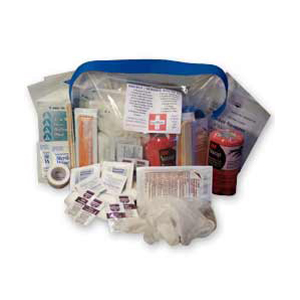
So, I’m determined to go through catalogs and start ear-marking the essential items that I should bring to shows in case of an emergency. Vet wrap, diaper, duct tape at the top of the list, and several other items I have in mind.
But I’d like to hear from you guys- what goes into your horse-show first aid kit? Knowing that of course you probably can’t bring everything with you to a competition, what are your priority items? How do you store them for a travel environment? Any recommendations on getting these items on a budget?
I know many people, including myself, were expecting to see a complete show recap today.
Surprise! I didn’t go to the show. Or rather, I did, but Foster did not.
Saturday I went out to the barn to prepare, and before giving him a bath I hopped on him. Since the horses had been stuck inside due to rain all day, I gave him a long (10-15 min) walk warmup before asking to trot. Normal trot seemed an impossibility to Foster- instead his options were short choppy pony trot, short choppy up-and-down canter, or walk.
I did what I could to coax him through it, offering stretchy trot and canter, and staying in two-point to get off his back (as much as you can two-point in a dressage saddle, that is).
I gave him a walk break before deciding to try one last thing- sitting. Making my seat as quiet as possible, we trotted around the arena in relative peace. I ended it on a good note and put him up.
All night I wondered what to do, if I should scratch or continue on with the show as planned. As I was giving a ride to the show to a friend as well, I went ahead the next morning and hooked up the trailer.
Sometimes talking through your issues is the best way to bring clarity to the situation. As I consoled the few people there about where or not I should take my (potentially/probably?) ulcery horse to the show, it became obvious- Foster should stay home.
I asked A to document Foster’s cleanliness, since he certainly won’t look like this on our next visit!
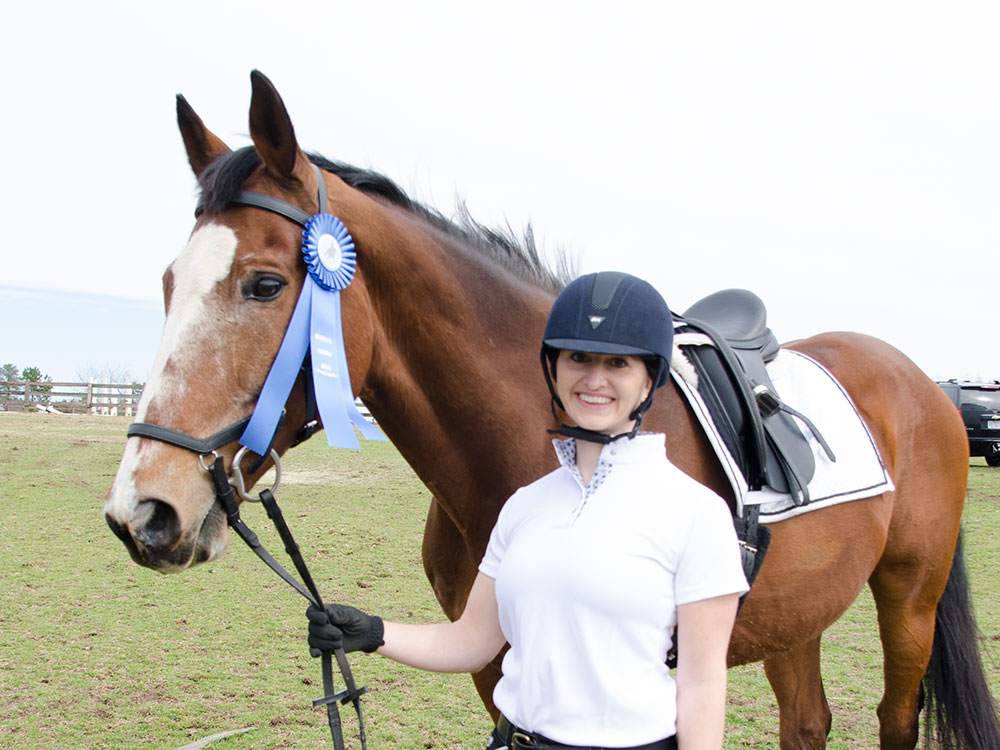
So, my ultra clean, beautifully trimmed horse spent Sunday in the sunshine instead of the dressage court. My friend had an excellent day, scoring a blue ribbon in her second ever dressage test and giving her horse a positive showing experience. I immediately made peace with my decision to leave Foster home and have contacted the vet to get him scoped. My desperate hope is that we will find ulcers and can begin treatment as quickly as possible.
While it would have been nice to ride at the show, in front of my favorite judge (she’s a tough cookie but great feedback!), the day ended up being a success even without any saddle time.
Wednesday night Foster’s glands were fairly massive, and when he didn’t tuck into his mash with his usual gusto I immediately started blasting my friend N’s phone, who luckily is a vet and puts up with my incessant animal queries. We theorize it’s a slight allergic reaction to a weed or grass that has started growing, since she has seen other horses pop up with similar symptoms in the last week. A bit of bute for a couple days to help them go down and be less tender, and hopefully Foster will be chowing down with his usual relish once again.
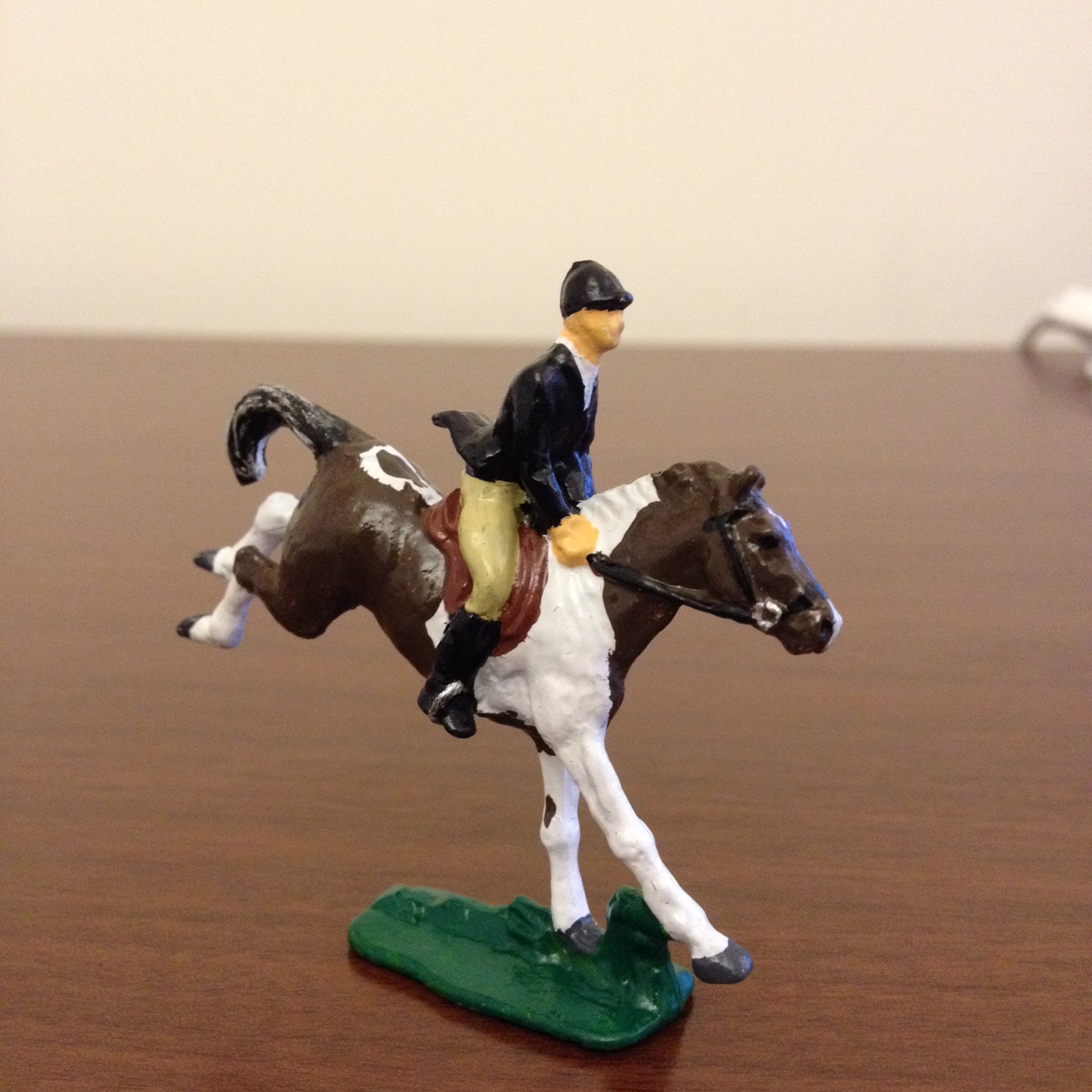
In other news, a sweet coworker gave me a surprise yesterday! It’s a cast metal figure hand painted to look like Foster! At only a couple inches tall, I thought he was quite brave for taking on the challenge of matching Foster’s markings!
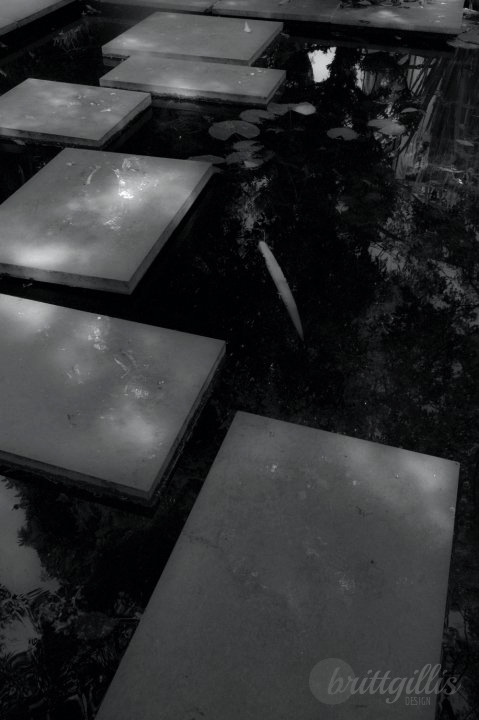
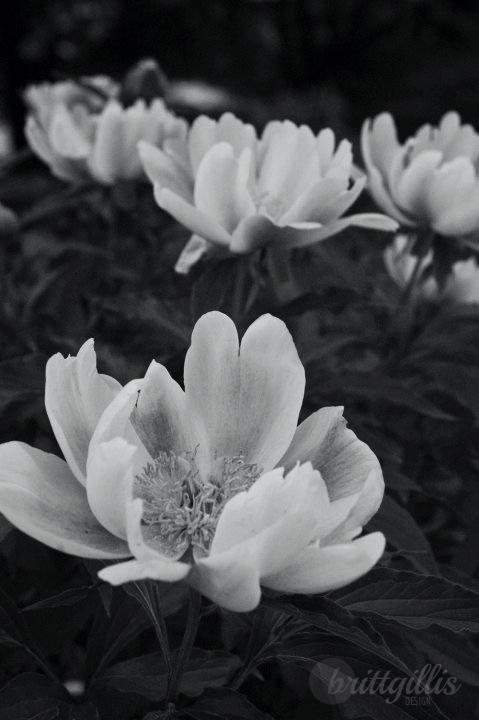
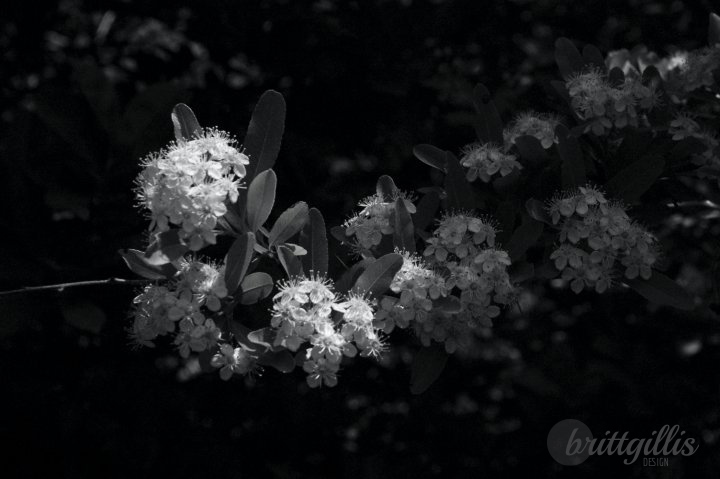
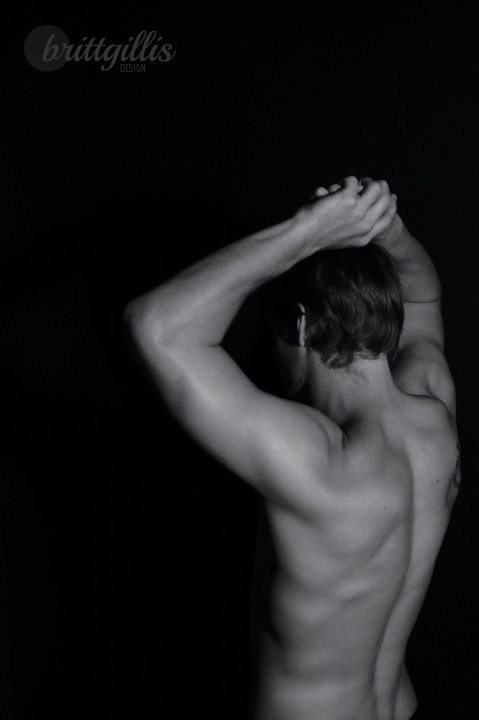
Now, onto today’s photo collection. Because of my concentration in photography, I decided to do a photographic body of work for my Senior show. I was especially intrigued by the work of Edward Weston from the 1920’s, particularly regarding his work with still life and nudes as artistic forms. So I coaxed a couple people into modeling for me in the studio. In case men’s torsos and what not are not your thing (or if you feel it’s NSFW) I’ll start you off with a couple flower/outdoor shots I did the same year.
So, I kind of fell off the bandwagon for my February updates, and now we’re on month 3 of the new Ultium based diet.
Ignoring that Foster came out looking like a pig yesterday, here are his glamour shots for the month:
Granted, my picture taking skills last night were abysmal, and I Foster didn’t have much patient for getting perfectly square. His hips are slightly tilted in the hind end photo, and his hips are slightly away from me in the profile picture.
Winter is never kind to Foster, and I have been supplementing with an alfalfa mash to get some extra nutrients into his system. Still, with the Ultium and the extra mash, I don’t see a discernible different over the last couple months. Perhaps it would be different if our riding had been more regular over the last month, but it’s hard to say.
The biggest difference in Foster that I have seen of late has been in his attitude. He’s been overall quite grumpy, not wanting to go forward, and generally not as happy to see me as I’m used to. So far I have been putting this down to everyone’s bad opinion of the horses being stuck inside for 2 weeks straight, or being part of the PSSM theory that lack of work affects Foster a lot worse than most horses.
Of course, I am not ruling out ulcers, and will be thinking about scoping him if a week’s worth of routine work has not improved his outlook. Anything to get my happy pony back!
Since signing up for the Training CT this weekend, I’ve had some doubts. The last time we jumped was at the Carolina Clinic, and I wondered if I would be able to prepare Foster for another jumping round in time for this show. Thanks to the winter weather keeping us in the covered arena (an area too small for any real jumping) for the last couple weeks, in addition to vacation, Foster’s work has been irregular at best. But, I knew he could technically get around a Training course with relative ease.
Yesterday was the first time I was able to ride in the outdoor jump arena in a month, and with impending rain, I thought to make the best of it and get in a jump school. I had his open-fronts on, breastplate attached, and was doing up the girth when I decided- this was feeling too forced. Whenever it starts to feel that way regarding a show, I know it’s not the right decision. So I have elected to not jump this weekend.
Instead, we’ll forge ahead with the Training A dressage test, and [if the show staff will allow,] add another dressage test to the mix- First level 1. This will mark Foster’s first official time competing at First level, and shouldn’t be a great stretch for him, as the movements are very similar to the Training A test we’ve been practicing. There’s a slight chance he may be a bit tired for the second test, but I would much rather a lazy dressage test than an underpowered jump round, any day.
So, with that decision made, I quickly switched tack and instead dressaged around all the jumps I had set up not moments before. Immediately I felt a weight taken off my chest, and Foster was much happier than he has been in several rides to be out in the fresh air. We schooled our lengthenings at canter and trot before calling it a day. His expression was happy, ears alert and eyes bright, and I feel I’ve made the right decision by my horse.
As much as I want to get our first Training competition under our belt, his happiness and well being will always come first. Always!
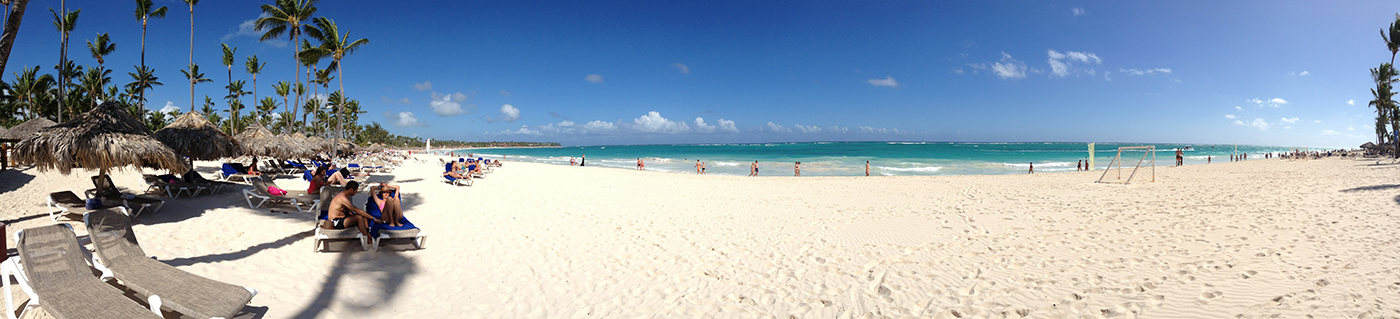
If you follow me on instagram, you may have noticed a sudden departure from the usual Foster faces and Elliot/Drake posts. Instead, you’ve been inundated with beach pics and many adult beverage shots. Sorry, not sorry.
Beachin’ it
Last night (or at 1:30 am, should I say early this morning) we returned from the Dominican Republic. The hubs and I had a great time, and I particularly enjoyed diving into a new book series (Discovery of Witches, anyone?) and getting a tan that is sure to last me until tomorrow. Unfortunately, between our late arrival and my lack of sedatives to keep Elliot calm after our 6 day disappearance, I’m riding the struggle bus today.
The lobby
So, I don’t have any real horsey updates to share. While away a friend hopped on him a couple times, and took care of his heel, which he cut just a couple days before my departure. I’m assured that the heel is looking much better and without any heat.
The [Non] Honeymoon Suite
I plan on getting out tonight and seeing how he feels. This weekend we are signed up for a Training CT at a local show, and I need to decide if I am just going to do the dressage part or not. Lots to assess in the next few days!
View from the room
In the meantime, I want to thank everyone for the comments on the posts while I was away- while I wasn’t able to respond, the weak Dominican WiFi did allow me to read them and I really enjoyed hearing everyone’s different viewpoints on handling competition and sharing your horse with others! I promise to catch up with everyone’s blogs as soon as my inbox clears out… 🙂
I’ve always had pretty strong opinions about who rides my horses. Maybe I failed sharing in kindergarten, maybe I didn’t. But when it comes to who gets on my horse, not everyone makes the cut.
Partially this is because I do so much training myself, and I subscribe to the theory that every minute you are in the saddle, you are training the horse. Not that mistakes can’t be made, but that the horse learns by its experiences. Lots of good experiences create a positive and relaxed horse that does its job happily and correctly, but unfortunately it seems one very bad experience can have just as lasting repercussions. So in my opinion, it’s better to have a rider that will take care to leave your horse a happier, fitter horse ride in your absence, than someone you have less confidence in get on at all.
Bette riding Ivan when I was recovering from the fractured ankle
It doesn’t help that my horses have never been the easy sort to ride. Merry could be a hot sensitive mess if you upset her. Ivan was sweet until he wasn’t, and then good luck to you, sir. And Foster is just, I don’t know.. tricky. I would not describe Foster as vindictive in any way ever; he will try his heart out for you until you insult him, in which case recently he’s been fairly glad to give a little kick out or buck. Fair enough to me.
Which makes me flattered when others ask me to hop on their horses- here with the lovely Eros
But Foster is also kind of a funny guy in that he’s fairly hard to get round. Obviously I have figured him out, and describe his as a somewhat ‘reactive’ ride- I’m constantly communicating with his mouth, softening, insisting, waiting, being quiet even, but it’s a fairly ongoing discussion. Others who get on him may not quite understand his language, and get frustrated when he doesn’t get round for them. The riders that seem to get along with him best are those that have ridden different types of sensitive, tricky horses as they tend to have the most understanding hands and know when to be pliable with their elbows/seat/etc and when to insist.
My sister has sat on him a couple times because, well, sisters.
I guess my horse isn’t everyone’s cup of tea, but I suppose that’s alright with me. Maybe it’s a good thing that he’s a fussy horse, since I’m a fussy owner when it comes to sharing him. I know everyone is different though, and want to hear what you guys think!
Do you let other people ride your horse? If so, how do you decide who gets on? How does your horse react to different riders?
The last aspect any competitor must consider, and equally if not most important aspect of equestrian competition, is the horse.
Without it, I suppose we could still compete, if only in a slightly, er, more humble sort of way.
But let’s be a bit more serious. The horse is our partner, and if he is not ready, we mere humans are woefully unable to compensate for the margin of error.
To be fair to the horse, we must ask what is reasonable of him in terms of both fitness and training. It is just as unjust to ask a horse to understand a new skill and execute it perfectly in a stressful environment as it is to push him to the extremes of his abilities and therefore compromise his soundness of body.
Derp faces abound
On the rider’s part, we alone are responsible for ensuring our mounts are physically ready to compete at the level we are to demand of them. Foster, for instance, is half warmblood, and as such, requires more work to get his cardiac fitness ready for anything more than Beginner Novice. Looking forward to Training level, it’s up to me to get my horse prepared by incorporating conditioning rides into our regular schedule. Mind-numbingly boring though they may be, that comes with the territory of having a [part] warmblood. Luckily, the reward is worth the work- galloping cross country on a fit (read: non-laboring) and happy horse is an amazing feeling, and gives me an accomplished feeling without ever having jumped a fence.
The second part of this is the horse’s mental preparation. Is the horse completely comfortable with the exercises we are asking him to compete at the show? Knowing that in most competition settings there is going to be some level of distraction, whether that be a horse lunging, a dog barking, or a flag flapping in the wind, keeping the experience positive can live or die by your horse being mentally prepared.
If I’m honest, right now I feel that Foster is more than prepared for Training level dressage, which to me is the equivalent of First level [pure] dressage. The jumping, as is usual, we’re teetering on the edge of being prepared. My goal is to feel comfortable jumping 3’6″ courses before doing any kind of horse trials- this so that when I walk up to a wide Training table on cross country that I won’t pee in my pants with fear (though I’m sure I still will, nonetheless). We’re not quite there yet, the recent snow especially messing things up, but that’s my requirement before moving up to a full 3 phase event. That’s the bar that makes me comfortable asking my horse to complete a task at a show.
Horses are the entire reason we compete in equestrian events, and therefore must be at the forefront of our competition considerations. With that in mind…
What do you do to get your horse mentally and physically fit for competition? What aspects of this do you struggle with? How do you decide if your horse is ready to move up a level?
Next up in the competitor’s toolbox: equipment. Because having the right equipment for your competition goes further than the truck and trailer needed to get there.
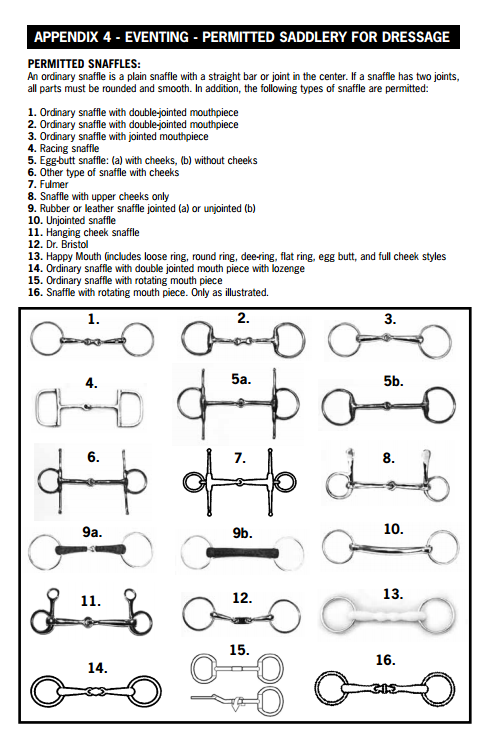
In many, if not all, disciplines, there are rules around what type of equipment is allowed, and what will get you disqualified. Needless to say, if you show up at a rated (english) Dressage show with a Tom Thumb bit on your horse, you will not be allowed to compete. This type of rule is in place to discourage using shortcuts on the path to ribbons, keeps the purity of dressage intact, and maintains a level playing field among competitors. Referring to yesterday’s post, this is yet another mental responsibility of the rider- to know what is and isn’t appropriate for your level and discipline.
Most rulebooks go into detail about appropriate or illegal equipment
And then there is tack as a matter of preference. This can get into the slightly subjective realm of what makes for the best picture to present to a judge, and whether or not the judge should look at the tack and what extent they should take it into consideration for scoring the horse and rider. But, preferred tack can also relate to the pieces we choose that we feel give us a competitive edge. On cross country, that may be a giant yellow watch. For a hunter rider, maybe it’s shoeing your horse in aluminum shoes. For a dressage rider, it could be the stickiest full seat breeches on the market. And so on and so forth. It could be any one thing that you utilize that makes you more confident, and in turn makes your showing experience a better one.
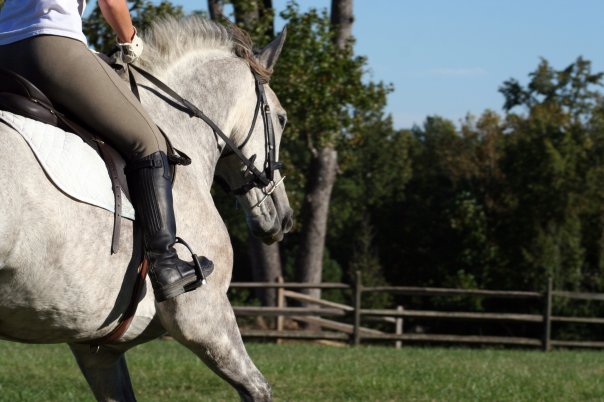
For instance, doing dressage in a dressage saddle is a preferred tack choice…
…since it helps your leg elongate around the horse
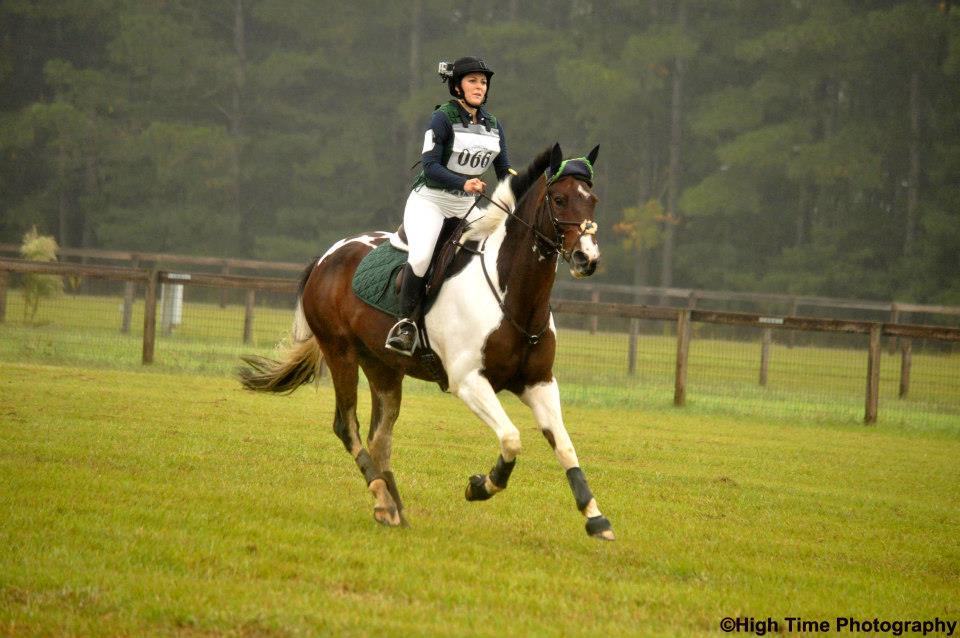
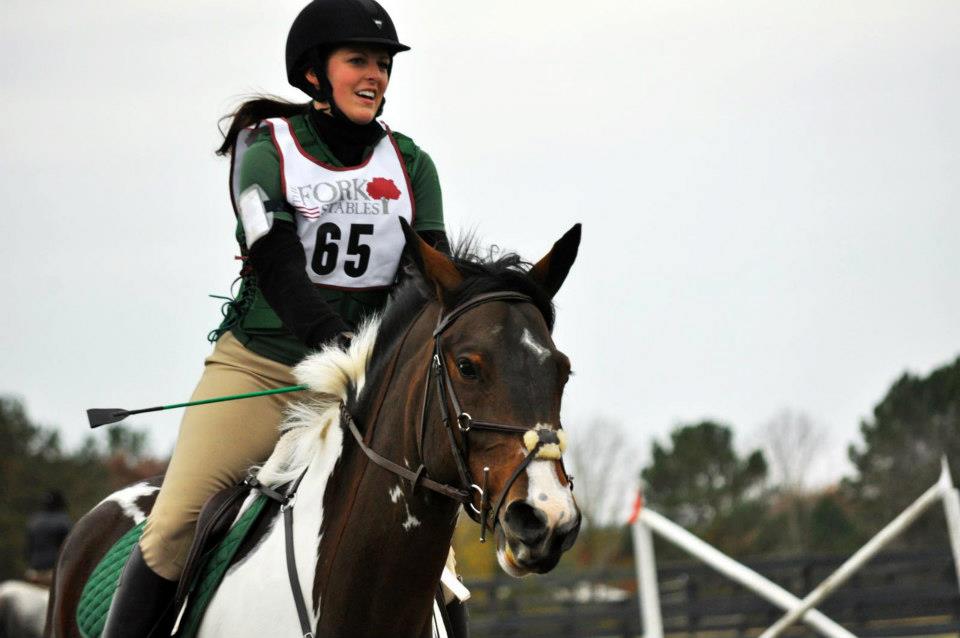
Lastly, we all have specific equipment requirements due for the safety of horse and rider. Eventing in particular has lots of rules around safety equipment, especially for the more dangerous cross country phase. Chest protectors and armbands with your medical information can help keep you safe or assist others in giving you medical aid. Whether you agree with it or not, the British Eventing Association just made skull caps (brimless helmets) mandatory for cross country jumping as well. All of these devices are meant to give all the greater chance of recovery, should something go wrong, and as such competitors are required to have them at events.
Whether it’s to make you an eligible competitor, to give you that competitive edge, or to keep you safe, having the right equipment is a mandatory facet of equestrian competition.
Do you have a piece of equipment you just won’t show without?
Recently I have been thinking about myself as not only a horseperson, but also as a competitor. That is, assessing how I stack up and whether or not I am prepared at competitions so that those shows set myself and my horse up for success. I’ve determined that there are three ways to think about the requirements of a good competitor, and these are the Mental Mindset or Psyche of the rider, Equipment, and Preparation of the Horse.
The first then that I want to assess is the mental game. I think a lot of this is knowing your strengths and weakness, and staying mentally focused so that you remain in the moment enough to use your strengths to your advantage, and make corrections (for your weaknesses) as you go along.
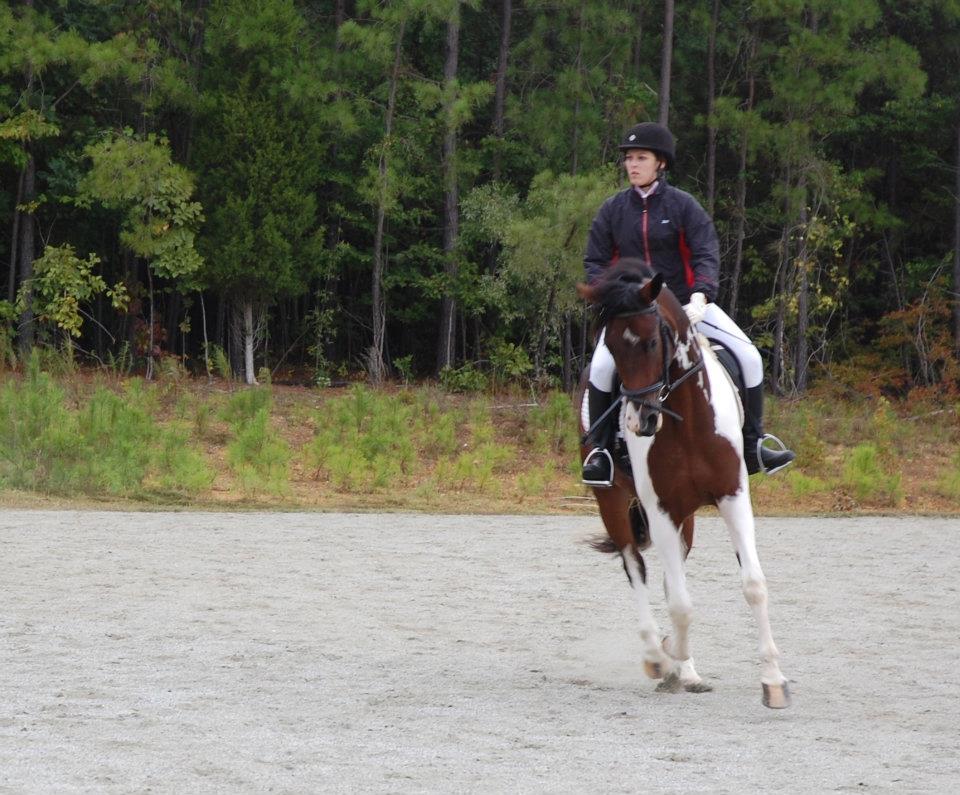
For instance, while it’s taken me many years to get there, I think I have a good Dressage ‘game face’. Intercollegiate Dressage in particular taught me to ride every step of every test, and have confidence in my abilities. I’ve practiced and perfected visualizing exactly how I plan to ride each movement in my mind, and now find this process relaxes me whenever nerves try to come up. Visualization comes up again in my day-to-day riding, as when I feel the horse getting heavy or sloppy I picture myself as a Grand Prix rider, tall and elegant and soft but clear with my aids. This in turn tends to correct my equitation and helps my horse respond to me more efficiently.
Game face on.
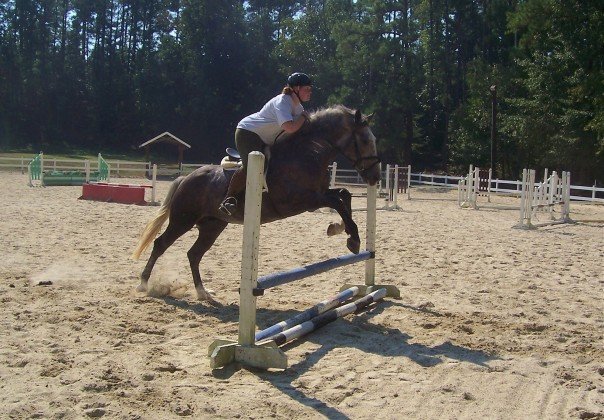
My weakness, then, is jumping. Because I have been a formal student of jumping for less time, I lack the ability to visualize exactly what I want to achieve, and therefore have less confidence going on course. Looking for riders at the top level as visual examples is, in my opinion, less clear, as I see a bevy of different releases, leg positions, and styles among professional jumpers and eventers. Additionally, not knowing the course until the day of (or sometimes the hour of) the competition makes my mental run-throughs rushed and not nearly as effective. In short, the techniques that work so well for me as a dressage competitor fall short for the other phases.
CHP, October 2014
Instead for jumping, I have started using other techniques to get my psyche in order. The bullet lists you see in each lesson post become mantras that I repeat as I prepare for the competition. I try to find songs that get me pumped. J played this one for me getting ready for the clinic, and I really found it helped me find a groove, even if the only lyrics I really know are ‘like a great white shark on shark week!’ (enthusiastically yelled by myself, of course).
Besides knowing your mental strengths and weaknesses, there are the other responsibilities of the rider to know- speeds required for the level and what that feels like, penalty rules, technicalities (such as what to do if your horse refuses the second fence in a related combination, whoops), and so on and so forth. Any detail of this could be the difference between success and failure (although we never fail, we just gain a learning opportunity!), or a blue ribbon and a red ribbon. Growing our knowledge and becoming a student of the sport is what being an amateur is about, and the more we know, the more we set ourselves up for success.
What mental techniques do you use to prepare for or at competition? How do you handle the stresses of competing? Are there mental aspects that you would like to improve yourself?








![The [Non] Honeymoon Suite](https://redontheright.com/wp-content/uploads/2015/03/photo-18.jpg)




 Red on the Right