Let’s Discuss: Your First Show

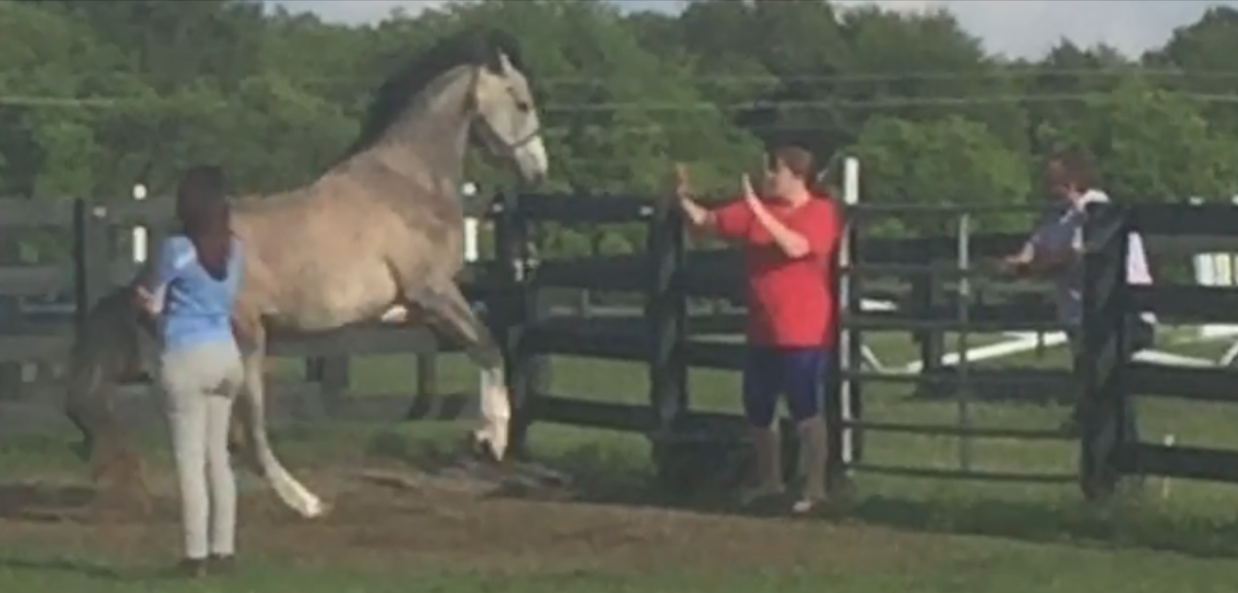
With Smitty’s competition debut looming in the oh-so near future, I’m trying to get together a mental game plan. But the first time out, it’s hard to make a plan at all, since pretty much everything is going to be a gamble as to how he will take it in. I do know a couple things that I hope will help though- he doesn’t seem to get attached to other horses, and based on our one off-property adventure so far, I think he will take in a new venue fairly well.

But how will he handle masses of horses? Loud speaker systems? Horses galloping cross country, bikes, scooters, cars, dogs, etc? All of this is a total unknown. But the only way to find out is to try!

Foster’s first show was a smaller occasion, a local dressage show with a distinctly casual air. He handled it beautifully, winning first and second in his Intro tests (video below). It was a rousing success, and I can only hope for the same with Smitty, even if our goal is just to stay in the tack.

I chose the Carolina Horse Park because I’m very familiar with it, and because it allows us the get there the day before and expose him to the grounds, the arenas, etc all while slowly increasing the number of people around (rather than arriving at a show in full swing). Hopefully by introducing these elements the day before, riding the day of the show will be less of an ordeal. We’ll find out when we get there if a bigger venue for his first show was a big mistake, but I’m hoping the both of us will put on our game faces and get it done.

What was your horse’s first show? Was it a success, a disaster, or somewhere in the middle? Why did you choose that particular competition as a debut? If you have a baby horse, what is your plan for introducing them to the show scene?
Let’s Discuss: Pasture Partners

Horses are herd animals, no one will deny this. But since getting Foster in 2011, he and the others I’ve been caretaker of since then, have never been in a field with a “herd” of horses. I realize this is not everyone’s first choice, but for me, I feel that my horse is safer by himself or with one or two buddies, rather than in a large field with a gaggle of horses.

At previous barns, we had a hard time finding a buddy that would stick with Foster. Not that he’s some kind of bully, but that the couple options available (since others were settled in their own field) just didn’t pan out. So he would flit between being pastured alone, or with one buddy (which is his current situation, by the by).

Foster in his paddock | PC: JP

Foster in his paddock | PC: JP

Where I currently board, the setup is more attuned to solo turn out. The majority of the paddocks are too small to accommodate more than one horse, so both Riley and Smitty got (get) a paddock to themselves. Because of the gentlemen that they are, they share their fence lines with other horses, including mares, and I feel like they get plenty of interactive opportunities with the other horses. Based on the scuffs and scrapes Smitty comes in with, it’s obvious that he’s still finding plenty of play time while he’s out. And I get the satisfaction of knowing that serious injuries due to kicking, etc are limited due to his setup.

Smitty in his solo turnout

Smitty in his solo turnout

I certainly understand the “let horses be horses” mentality of large group turnouts, and if that’s your situation, I applaud you. Our farm has limited opportunities for group turnout, and I’m an OCD ninny after dealing with Foster’s issues and injuries, and have okayed myself to bubble wrap my horse in a solo situation.

What is your horse’s turnout situation? Do you mix mares and gelding? Are you limited by your farm’s setup? Or do you have specific preferences that dictate the occupancy limit of a pasture? Has the turnout situation for your horse ever caused problems, or have you noticed certain benefits in your horse based on a change in turnout arrangements?


Let’s Discuss: Nattering about Nosebands

First of all, does the word natter translate into American English? It may be one of my favorite words. Along with ninny. So today I’m a silly ninny nattering about nosebands.

Ahem.

This past weekend, while assisting a friend in her own horse shopping adventures, I witnessed some very, erm, strong opinions on nosebands. In the world of dressage, there’s a lot of different nosebands that are totally legal. Flash nosebands, regular cavessons, drop nosebands, figure-eights… all totally legal. Beyond dressage, there are even more options. And in this individual’s opinion, the flash was the only thing a dressage horse should go in and the rest of it (as in a bridle without a flash) was “hunter jumper stuff.”

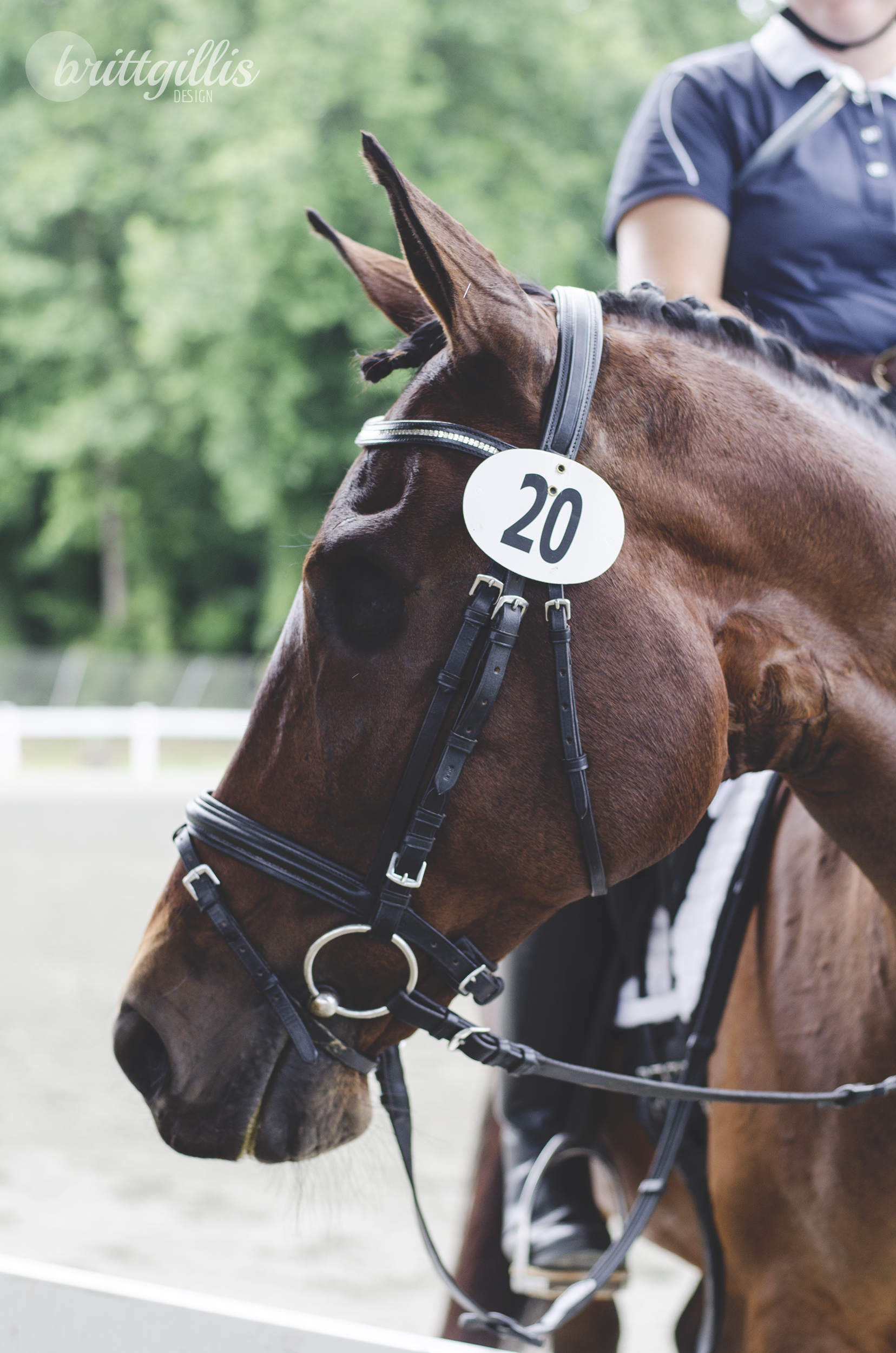
Happily modeling a well-fitted flash

Happily modeling a well-fitting flash

Now I’ve used a flash noseband plenty of times, but my main preference is to go without if possible. So as soon as I purchased the PS of Sweden bridle, I tossed the flash attachment in the bag and never looked back.

Wah, I loved this bridle.

Wah, I loved this bridle.

To me, a flash can easily mask training issues, like bracing against the bit and hide underlying tension in the form of gaping and gnashing the bit. I have nothing against those that use a flash in their training, so long as the flash is at an appropriate looseness. But plenty of times I have seen a horse with the flash making an obvious depression in the horse’s skin, to me an unfair application of equipment for the sake of a better impression. For me, I go the way of the Wofford when it comes to flashes.

fb_DSC3460

A dressage pony modeling a Micklem bridle

But then there are other controversial nosebands out there. Some people absolutely abhor crank nosebands, reasoning that they invite overtightening. Some dislike a dropped noseband, or a big floofy noseband, or a thin noseband, because of aesthetics or other reasons. For instance, I’m not a huge fan of the way Micklem bridles look with their noseband. But I have no beef with those that use them, since I appreciate that the riders who use them are doing so for the comfort of the horse. Nonetheless, there are dressage enthusiasts who would wish them out of the arena in a second.

Johnny models a traditional noseband

Johnny models a more traditional noseband setup

It’s interesting to me that for such a basic piece of leather, that there are boundless options that elicit so many opinions from horsepeople. Whatever your style, or beliefs, or discipline, I’m guessing you took some kind of consideration into what adorns your trusty steed’s snout.

Or, you know, no noseband!

Or, you know, the naked nose works too!

What do you use on your horse? What is your rule for tightening, if you use a crank or otherwise? What nosebands do you avoid at all costs? What options would you consider other than your current choice?


Let’s Discuss: Your Equestrian Role Model

It’s a precarious place at the top of equestrian sports. In the age of social media, anything made public can be fodder to be lauded or reprimanded, and with an especially opinionated audience as we equestrians are, perhaps even more vehemently than the average Joe.

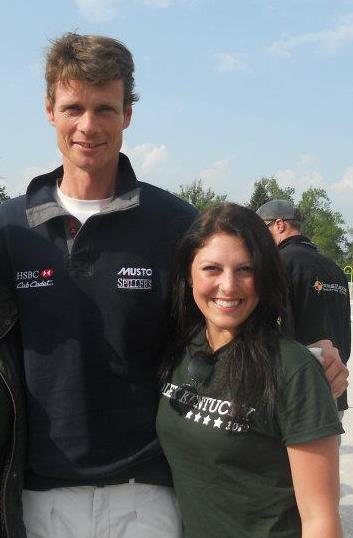
Decisions that elite equestrians make are quickly scrutinized, particularly when it comes to horsemanship, but also in terms of rider safety, as teachers and coaches, and even fashion choices are reflected on by the horsey public. For myself, for instance, I absolutely adore William Fox Pitt’s easy and quiet way of interacting with horses, and believe him to be one of the best riders in the sport of eventing. But his decision to ride in a top hat in dressage at the Rio Olympics, despite being in an induced coma just months prior due to head injury, left me with a poor taste in my mouth. I felt that it was a missed opportunity to be a good example of rider safety for the community, and I hate to say it, but those few minutes tarnished his shining reputation as a role model in my eyes.

Rolex 2012 with Mr. Fox Pitt himself

Rolex 2012 with Mr. Fox Pitt himself

Those whose stars still shine brightly in my eyes include Charlotte Dujardin, not only for maybe being one of the prettiest ugly-criers ever, but for her obvious devotion to her riding and horsemanship. Doug Payne, as a master of all three rings and for his ability to bring his horses to the top levels of the sport from the ground up. I have role models in local breeders, who select not only for quality and conformation, but also breed for amateur friendly brains and instill great manners and thinking skills in their babies from the start.

Shit, let's not talk about how pale I am, OK?

Shit, let’s not talk about how pale I am, OK?

Who is your equestrian role model? What about them do you admire, and what example do you think they set that positively affects the greater community?

Let’s Discuss: Would you Event if Eventing were different?

So here I am, getting tucked into bed the evening of my first day at the American Eventing Championships. This is a wholly new experience for me, never having been to a championship event, and a new experience for the US Eventing Association. Not only is this a new, unseasoned eventing venue in general, coming attached to the pursestrings of some much discussed political characters, but it also happens to be a record setting debut- at over 700 competitors, this event marks the biggest in US Eventing history.

Because of all this novelty, both personally and as an organization, it’s a little difficult to compare to AECs of the past. But one thing is exceptionally obvious, and that is that this event is very…. pretty.

The new lens was a great big fail. Here's Karen and Mr. Medicott again, Rolex 2012

Karen and Mr. Medicott, Rolex 2012

Don’t get me wrong, pretty is nice. Dressage is pretty. Hunters are pretty. But something about seeing an event be so gosh-darned-beautiful is just… odd. The fences are beautiful works of art, the lawns manicured to the nth degree. The water complex sports a jumbotron as its centerpiece. Hell, they served baked brie and beef wellington at the welcome party.

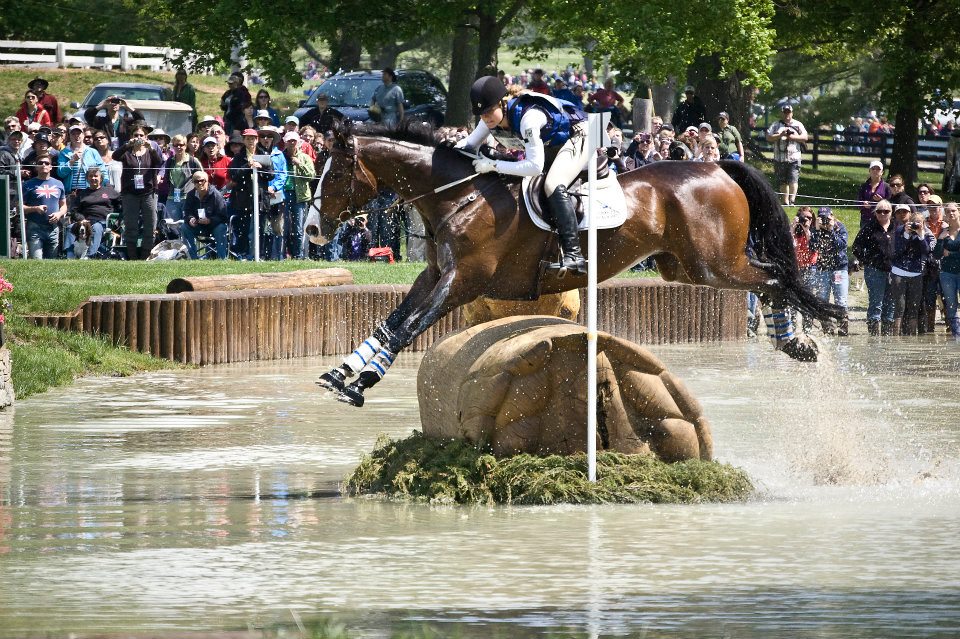
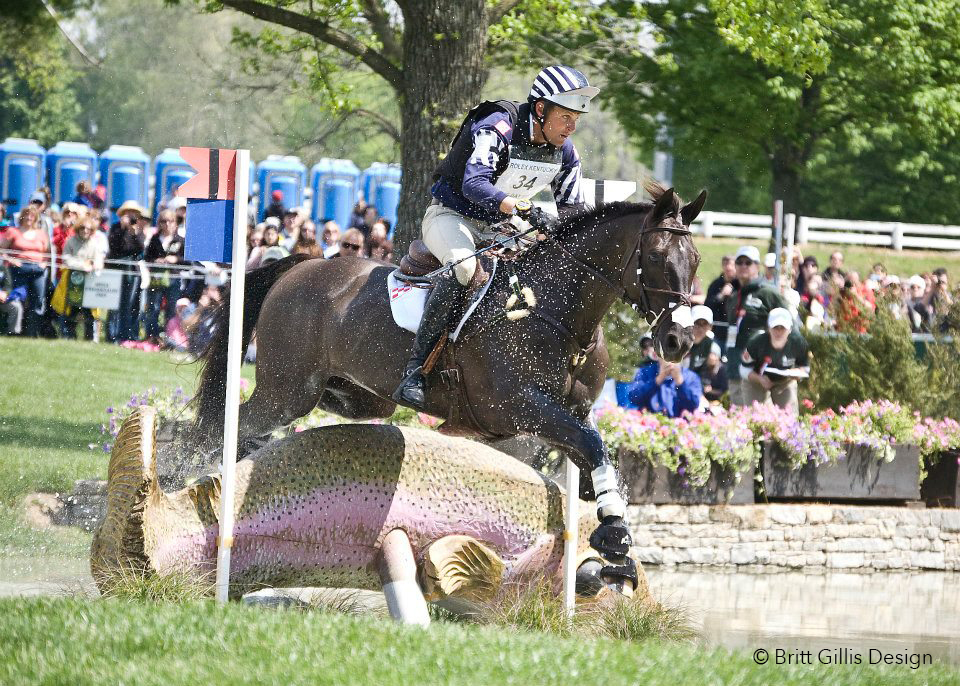
Rolex XC shot

Rolex 2012

But when I think of this sport, I tend to think of the grit, and the sweat, and the tears, and the adrenaline of two hearts pumping as they race across the country. I think eventers are known for embracing a Get ‘Er Done attitude that sometimes doesn’t come across with the grace the other disciplines so easily assume.

Phillip Dutton and Fernhill Fugitive, Rolex 2012

Phillip Dutton and Fernhill Fugitive, Rolex 2012

Does this AEC version of eventing still jive with the “eventing culture” (described from my own biased view)? Can eventing be made pretty like some of the more popular [sponsored] disciplines and still retain its heart and soul? For those non-eventers, would you consider eventing if it more resembled the format (cross country derby style) presented in the Wellington eventing showcase? For the eventers out there- would you stay if cross country took on a slightly more technical, and less sprawling and terrain inspired approach? Weigh in!


Let’s Discuss: Rider Fitness

While I am temporarily riding two horses, I can’t help but hope that the added exercise will make me a more fit rider. Equestrians are athletes, whether or not the general public believes it, and as such, a certain level of athleticism is required. We may not always be shaped like Usain Bolt, or Simone Biles, but we are still athletes nonetheless.

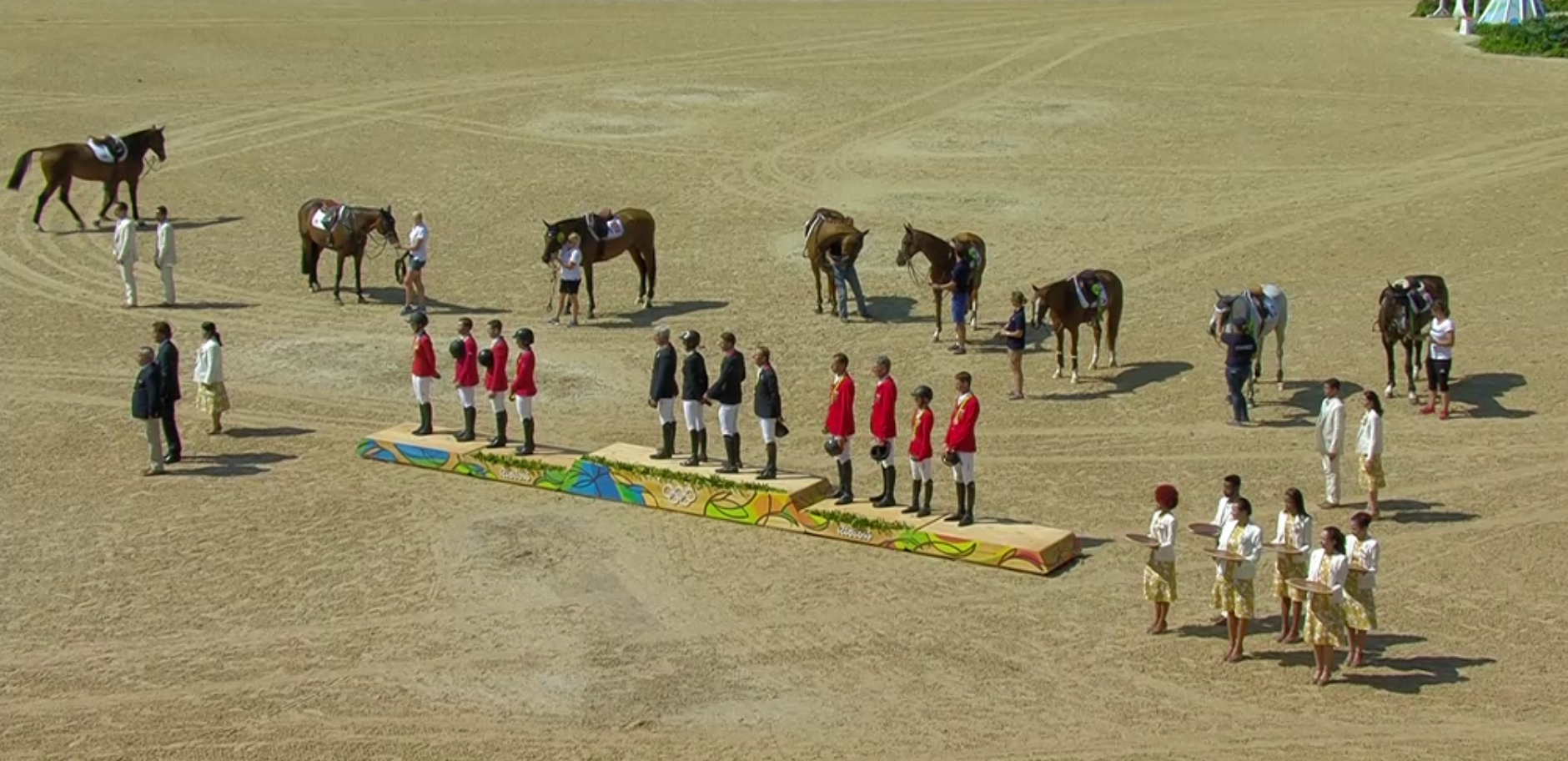
All different sizes and riders represented, except if you're a German male showjumper, then you must be the size of an NBA player

All different sizes and riders represented in the showjumping medal ceremony, except if you’re a German male showjumper, then you must be the relative size of an NBA player

Now, I’m not here to talk about body type or body-shaming (hell, I just watched a video of myself and was lamenting that oh-so visible cellulite through my jods. Ugh), but I do think it’s worth noting one trend that I saw at the Olympics. And that is that those riders looked fit. It made me wonder- is this the result of their likely riding multiple horses a day? Do they supplement with working out at a gym, or running, or other non-riding cardio activities? What part of their routines make them look so damn tough?

Boyd Martin and Remington, Rolex 2012

Boyd Martin and Remington, Rolex 2012

I’ll be the first to admit that I do not work out regularly. I go through spurts of attempts to get to the gym, and recently I started doing an ab routine at home, and hopefully that won’t fizzle out like it has before. But truthfully, after a day at the office, and a trip to the barn, all I’m really thinking about is peeling off my disgusting sports bra and wondering if we’re out of red wine at home.

In my heart I know that I could really benefit as a rider from being a stronger, more fit person. Especially as the questions ramp up, whether that be on the flat or in the jump tack, I definitely think being in better shape makes me a better partner to my horse. And maybe it’s still as important on a greenie. Or is my level of comfort with that skill set (ie, bringing along greenies) sufficient? All things I am currently pondering.

So I want to hear from you- do you supplement riding with other physical activities? What demands do you place on yourself as an athlete and rider? Do you think that the riders at the upper levels are so fit due to riding alone, or do you know if they are potentially also lethal in the Zumba classroom? (Boyd Martin doing Zumba, now there’s an image for ya)

Let’s Discuss: Olympic Eventing

In the face of those that doubt Eventing’s place in the Olympics, that say it doesn’t require skill or strength or whatever that X factor is that apparently makes you worthy of being deemed an Olympic athlete… I say watch this.

http://www.nbcolympics.com/video/ever-wonder-which-summer-olympic-sport-most-dangerous

No one enjoys watching falls, and I admit my stomach lurched multiple times watching this video. But the fact of the matter is that eventers lay everything on the line when they leave the start box, every time. It boggles the mind to try and understand how every 4 years we have to defend ourselves on two different fronts to the “unhorsey” public.

The first front being that we find ourselves insisting it’s not easy to be a 4* eventer, which is most easily demonstrated by showing those naysayers how quickly things go wrong if you are not at the top of your game. The second front being the constant battle to make our sport safer and yet still retain the essence of what it means to run across the country.

The eventing community itself has been having a lot of internal dialogue about our place in the Olympics. Does the IOC’s dictates hurt our sport? Do they neuter our ability to keep the essence of the sport alive? Some would say yes, and that the final castration came in the adoption of the short format several years ago. From the other side of the coin, does our place in the Olympics offer us a platform for public viewing that gives us an opportunity we so desperately need- to get financial and other support from those not in the trenches of the sport- and does that make some of the IOC’s constraints worthwhile?

I certainly don’t have the answer, but would love to hear your opinion- what do you think? Is the Olympics the right venue as the pinnacle of International Eventing? If so, how do we use that opportunity to garner public support for the sport? If you think we should abandon our tenuous position in the Olympics, what do you think the sport would gain from being free of the IOC’s constraints and rules?

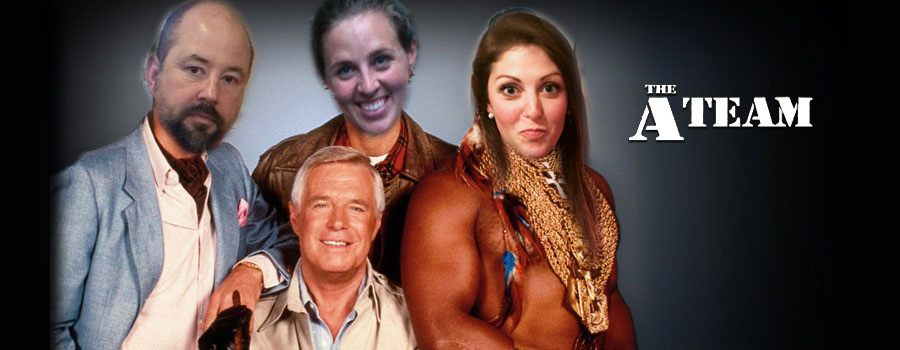
Let’s Discuss: Who’s your A-team?

When you made that oh-so-important decision on the horse of your dreams (or whatever), who was your A-team? Who is the person that just had to go with you to see the creature? Or did you fly solo?

Here's officially hoping they never find my blog.

Here’s officially hoping they never find my blog.

If I can bring people along with me on my horse trips, I do. But often I’m making last minute trips and like last week, going in the middle of the week when taking off of work is inconvenient. So being able to go alone is just part of the deal. I try to take video and ask pertinent questions, and for any pre-purchase I definitely get my vet involved.

Part of my A-team. Besides horses, we also enjoy mimosas.

Part of my A-team. Besides horses, we also enjoy mimosas.

Then my A-team gets bombarded with my thoughts and questions, and a select few get to weigh in with their opinions. These individuals include my trusty vet and a select number of friends who I believe know my tastes and understand my goals and what I need in a horse, not just what I want.

Mum- the other occasional member of my A-team, when not getting stomped by rowdy 3 year olds.

Mum- the other occasional member of my A-team, when not getting stomped by rowdy 3 year olds.

While I truly think that going with your gut is key in any big decision, it’s hard to consider things from all perspectives on your own. By talking through certain horses with my A team, I’ve learnt even more about what to look for as I’m shopping. I pay more attention to hock articulation, to pastern length and shoulder angle. All little conformational aspects that I used to skim over in lieu of a great brain and nice movement. My A team though understands the horse that I buy needs to be in it for the long run, and they’ve got my back.

So let’s discuss- do you have an A-team? Maybe beyond just horse buying and even into training, tack decisions, or just surviving the every day rollercoaster of equestrian life? How does your A-team change depending on the issue?

Let’s Discuss: Why him?

As mentioned a thousand times already, horse shopping is like dating, but with a lot more costs up front. There’s a real attempt to be logical and make the right choice for yourself and your goals, but it’s also an emotional journey of discovering what you “click” with and what exactly makes your heart go pitter-patter.

Foster as seen in his sales ad- I mean, how cute was he?

Foster as seen in his sales ad- I mean, how cute was he?

The horse I did the PPE on definitely made my heart go pitter-patter, but in the end he wasn’t the logical choice. I still get sad about him, and I admit, I’ve even taken to hiding his posts from my newsfeed. I told my husband the other night that it feels like a breakup- I was committed, in it for the long run as they say, but apparently it wasn’t meant to be, and it still stings to see him. Pathetic, I know, but there it is.

My first real ride on Ivan, during which I became entirely twitterpated.

My first real ride on Ivan, during which I became entirely twitterpated.

So blogosphere, I want to know- for those of you that made the big jump, that signed the check and brought a new beastie home- what made you make the commitment? What logical details made the horse a good fit? What it factors made it a good connection?

Let’s discuss: Tack on the Trailer?

In follow up to yesterday’s discussion….

Some of you are obviously well blessed in the showing territory, describing trips as little as 15 minutes to your competition destination. The only time I’ve ever pulled a trailer for a mere 15 minutes was when I boarded at a former farm where cross country schooling was about that distance away.

When we would go to that farm, we would go ahead and throw on the horse’s schooling boots in lieu of shipping wraps. I’ve seen people who would even have the horse fully tacked up, bridle and all, with a halter on top and attached to the trailer. This was particularly common in the foxhunting scene I was part of way-back-when, but I never tried it myself, being too worried over either a horse getting caught, or tack getting broken/scratched up.

So you fellows who get to frequent the short hauls- does that change your travel procedure? And for the general public, what accommodations do you make for your horse when travel gets longer than -X- number of minutes/hours?