Phew- are you guys sick of recaps yet? Well if so- you’ll get a brief respite until next week, when you’ll find out just how hard I got my butt kicked by BC.
Monday’s lesson was much a review of the lesson before, except that I felt like I had figured out a couple key concepts regarding the half-pass and Foster had a bit better concept of the piaffe cue. The main difference was introducing canter-walk transitions and bonus- videos!! I’ll post a couple videos tomorrow, for today screenshots and gifs will have to do.
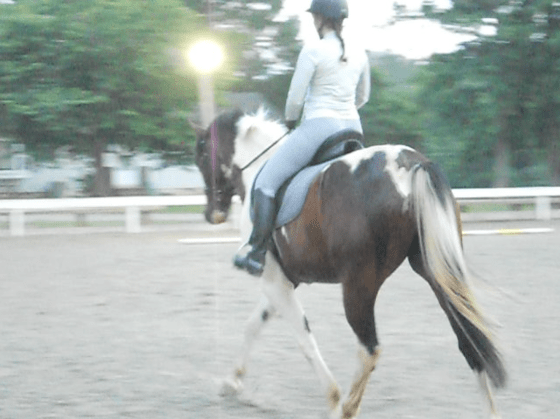
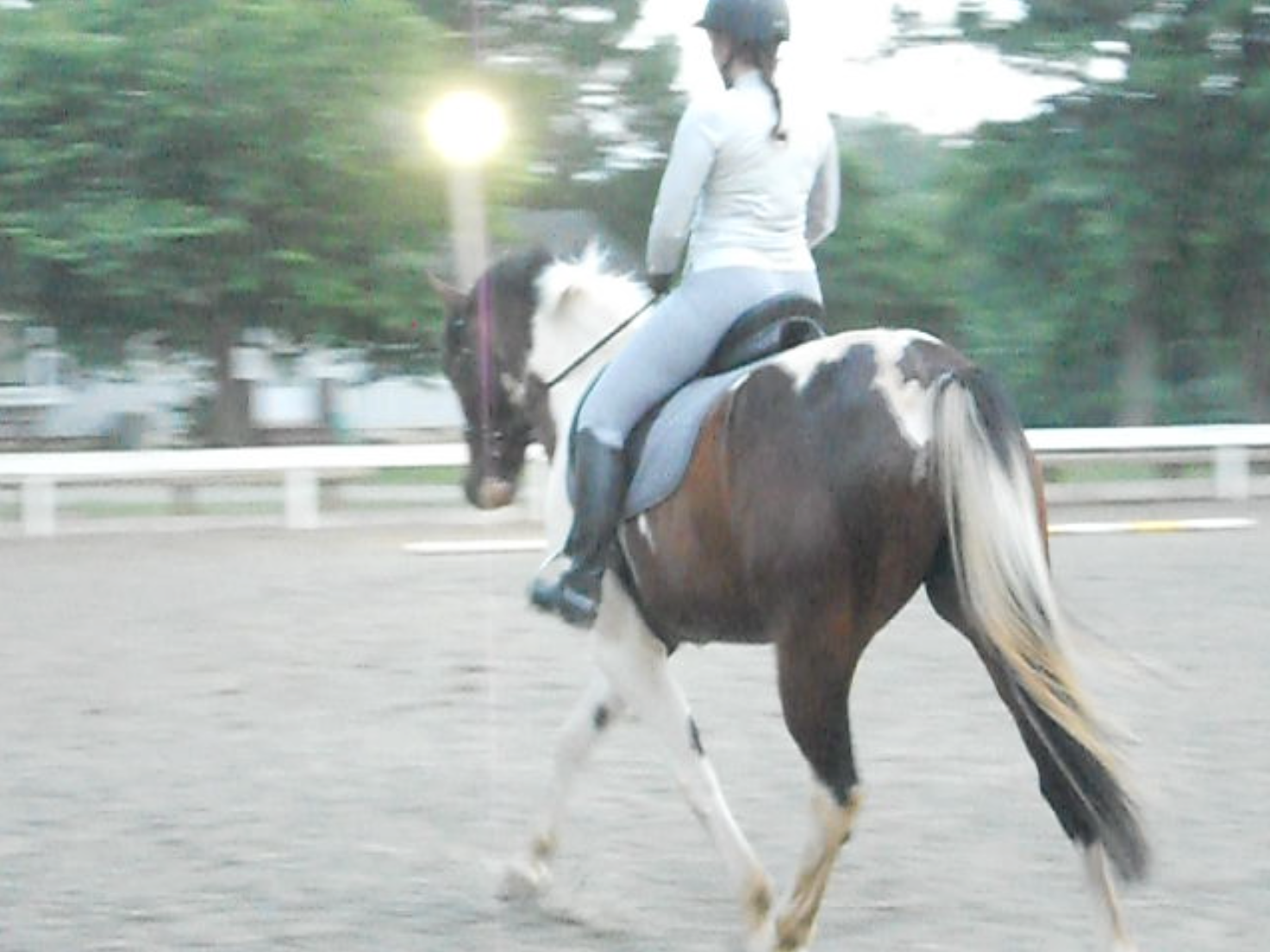
Working on the half-pass left.. and do I need taller tall boots?
After warming up in shoulder-in and haunches-in, we started the lesson by revisiting half-pass, first at the walk and then at the trot.

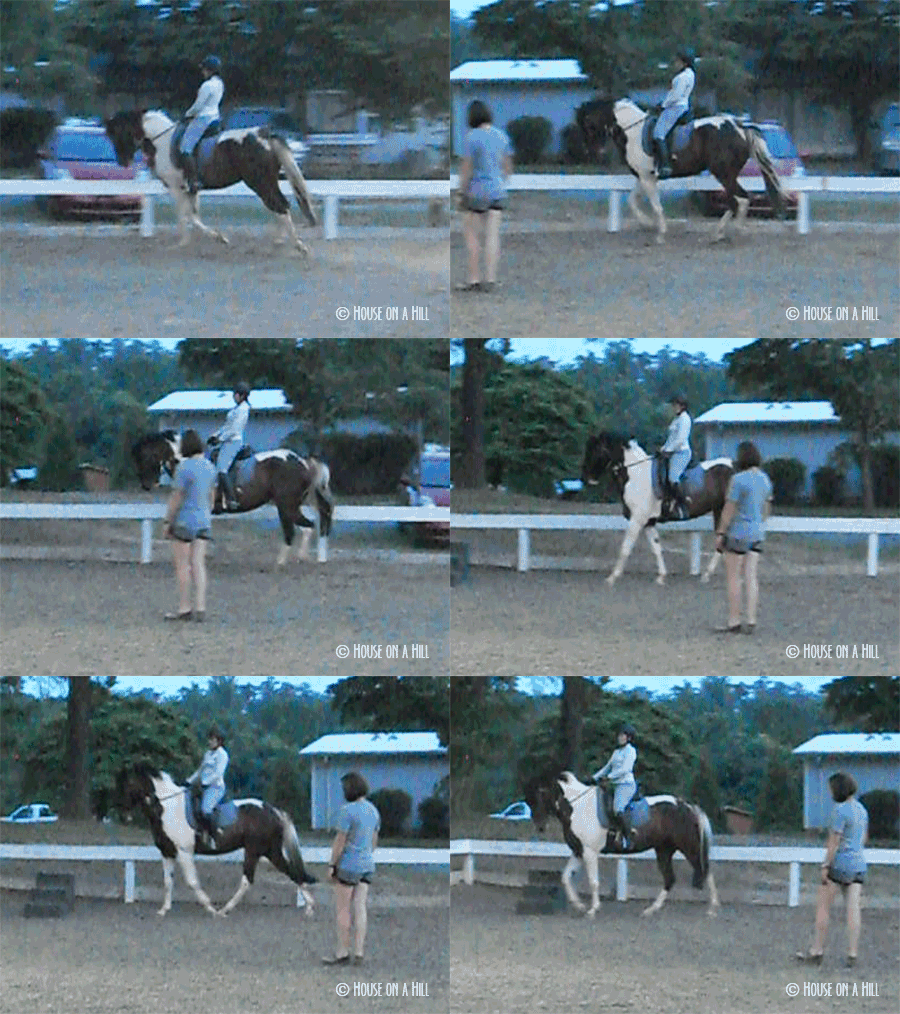
Haunches-in for the win.. also I think I do need taller boots..
When talking about the half-pass at the clinic this weekend, I really had a lightbulb moment but only had half a schooling to try out what I had learned. What I had been struggling with previously was having the haunches lead, when really it’s the shoulders that should be leading. Foster has picked up on the concept quite readily, but I need some finessing in my position to really be more effective- as in stop collapsing my rib cage, open my shoulders and body in the direction where I want to go, and keep that inside leg soft and bending the horse as he moves in that direction.
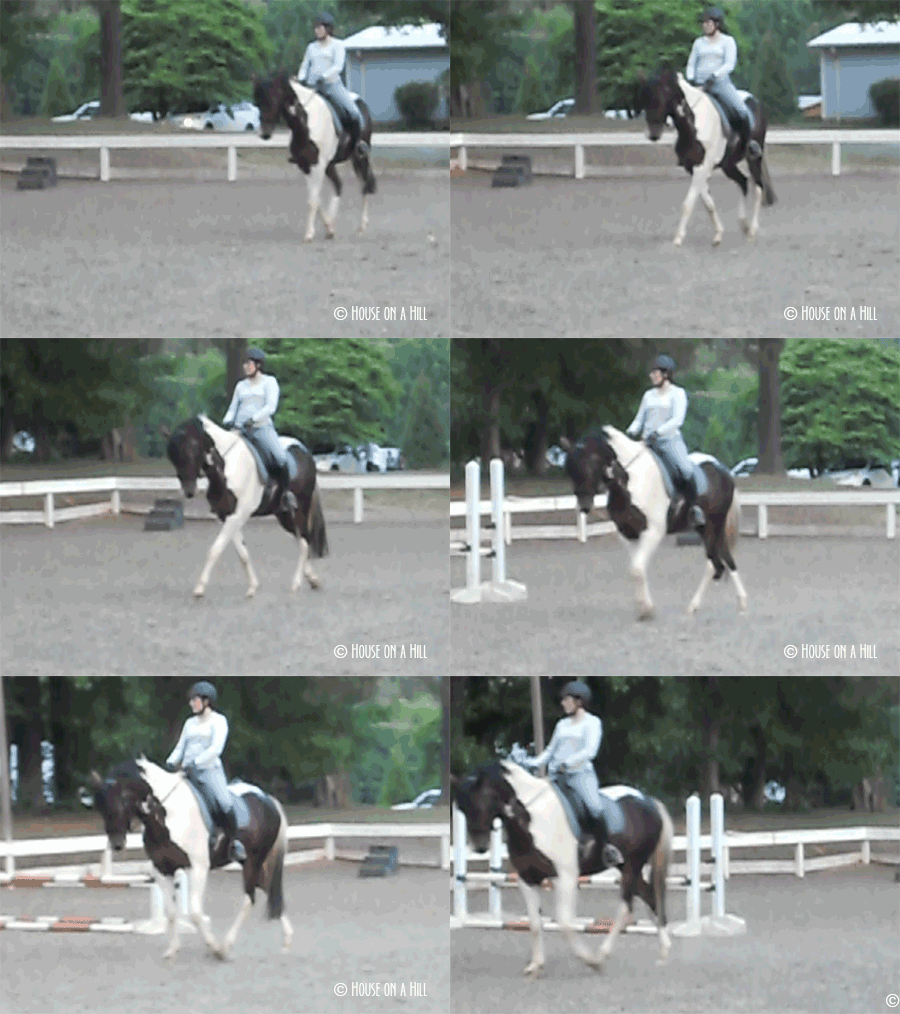
Walk Half-pass right
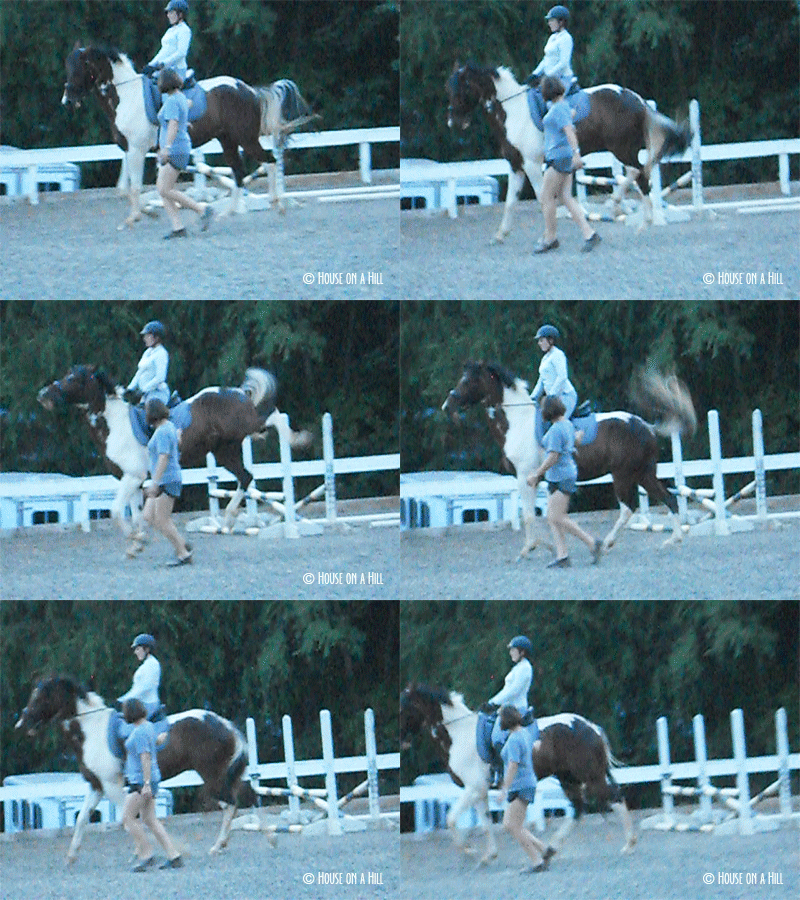
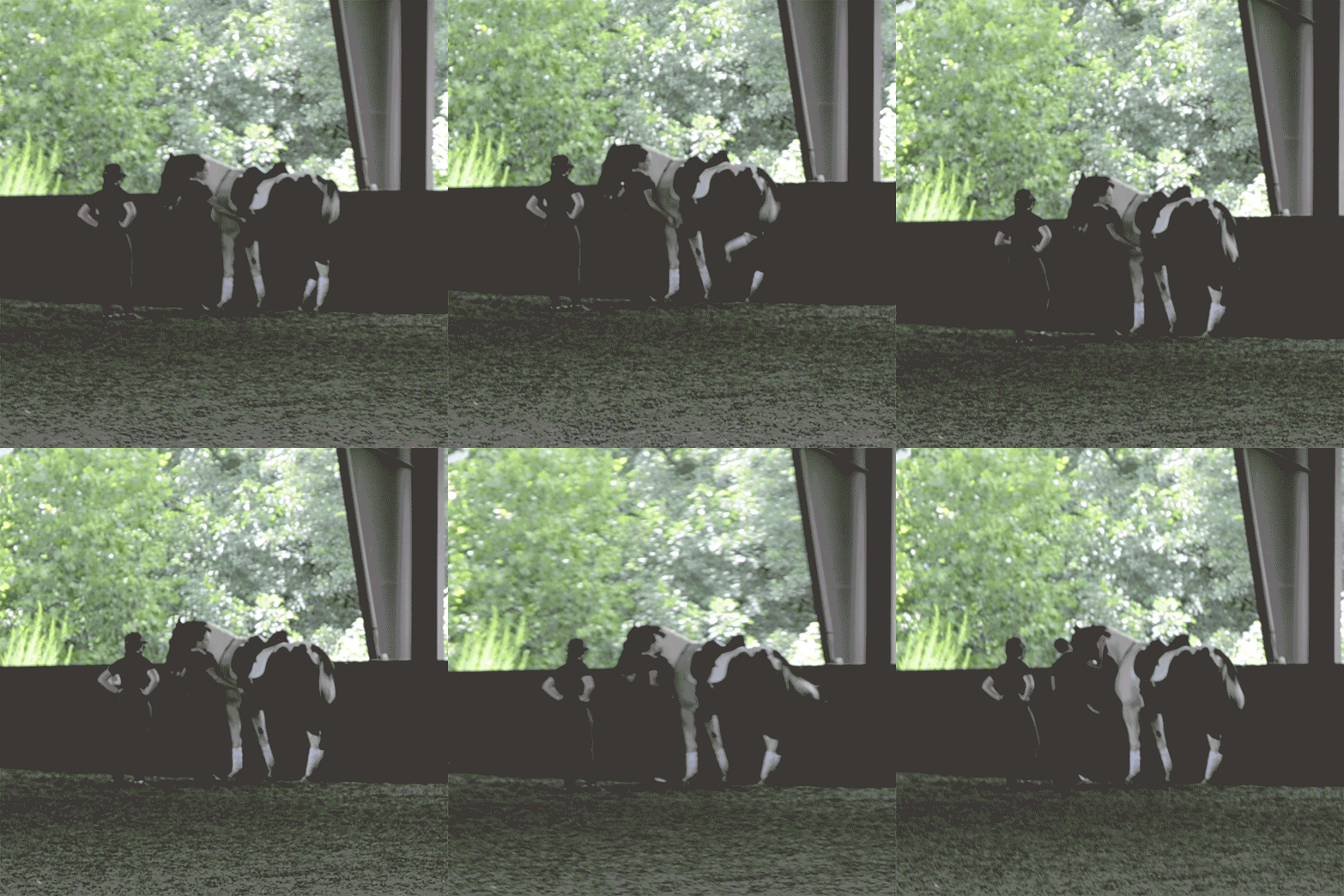
Following the half-pass, we went back to review baby piaffe and collected canter work. We are teaching the piaffe as a way to teach Foster to sit and have activity in his hind legs without necessarily going forward, which translates into the collected canter. Foster tries really hard to figure out the piaffe cue (a touch with the whip- no Fosters were harmed in the production of these gifs), but sometimes just doesn’t know what to do with the extra energy…

and other times he starts to figure it out…
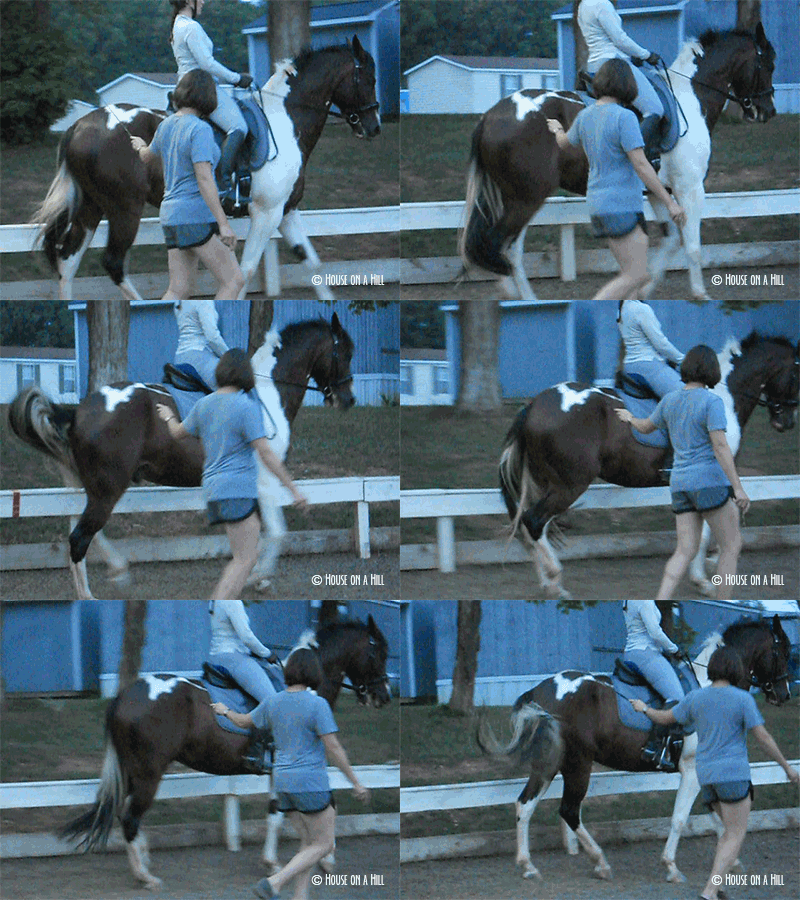
Bounce baby bounce!
When he is starting to think up and under with his hind legs, we then move into the walk-canter depart, and I try to maintain the came level of electricity in his hind end. It’s tough, because Foster can be so laid back that he settles really quickly, and in this instance I want him to be amped.
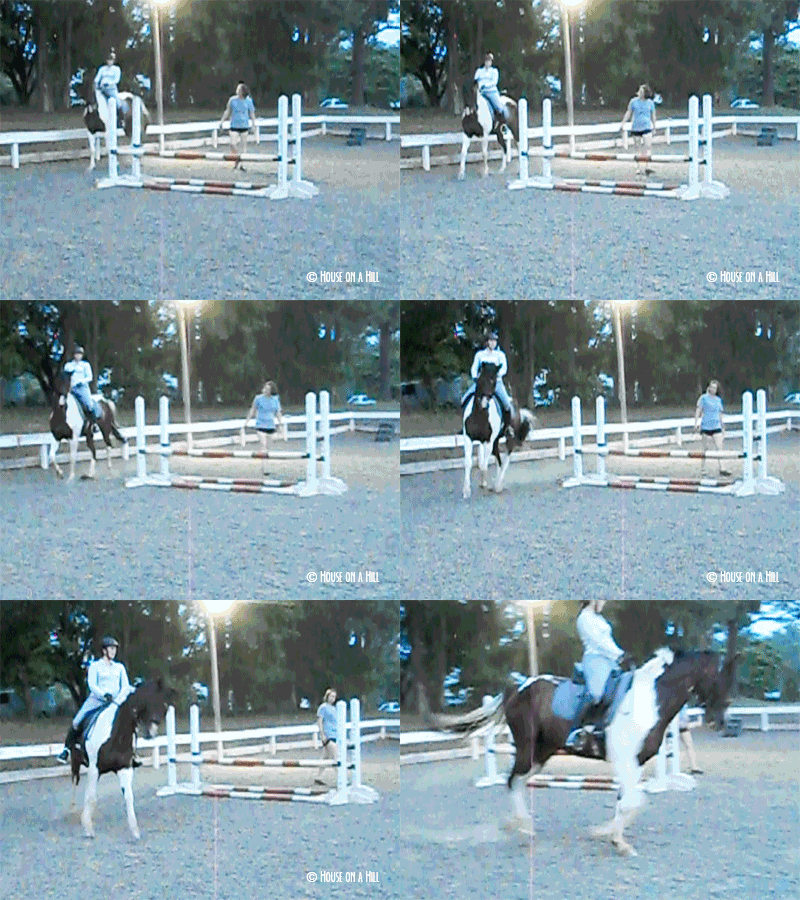
Since it was getting a bit late at this point, rather than hammer the collected canter we proceeded to start on those canter to walk transitions. These are brand-spanking-new to Foster, and it’s been about 12 years since I schooled them with Merry, so it was no shock that we didn’t achieve one right out of the gate.

Still, for his first attempts, I’m pretty pleased with how quickly he was able to sit and balance himself to walk, even if it took a step and a half of trot to get there. The tricky part of riding the canter to walk transition is to ride forward into it. For now, I am over-emphasizing my half halt in order to stop the motion of the canter, and purposefully thinking “halt”, which is what I almost got in my first attempts. Eventually my aids will become lighter, and I will be able to think about landing in a forward and balanced walk. But that’s probably some time away while we both figure things out.

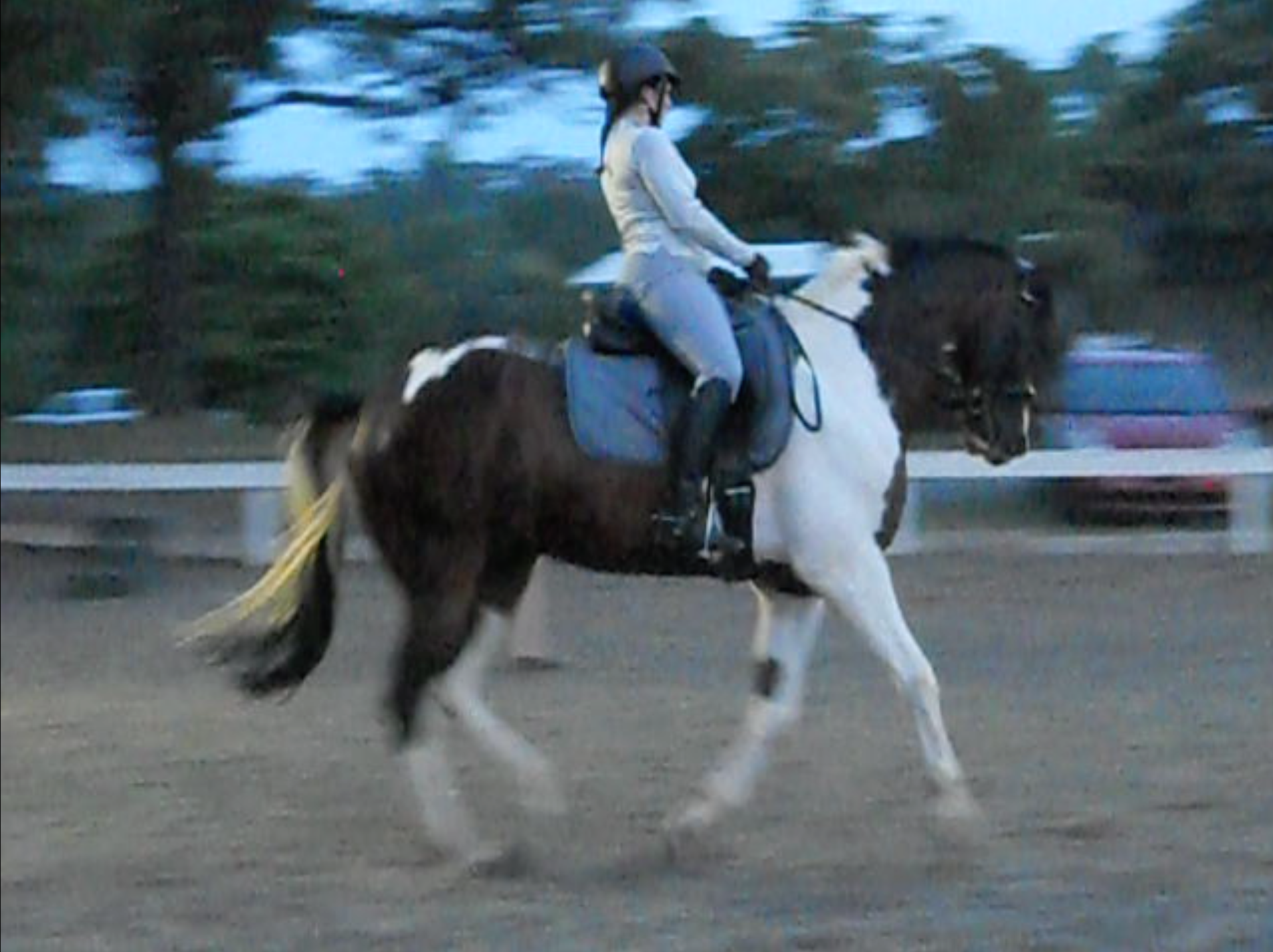
Hind end: Engaged!
As per usual, some quick notes regarding the lesson:
Canter-walk:
- for now, might need to use more hand, but eventually this will lighten as he learns
- Try using half halt at two different times- when I am deepest in the seat (when he is sitting) and when he is landing (stiff horses sometimes prefer the latter)
Half-pass:
- Keep my weight left for left half pass
- Do no let my left elbow become a chicken wing/collapse my left rib cage
- Start with less angle to the haunches, I can always add more but taking away from the angle is hard to do quickly
- Establish bend first then add the haunches (Half-pass and haunches-in)
Positioning Myself:
- to the left think about allowing my left side to sink down
- Tuck my tailbone under when sitting the canter so I “complete the circle” with my hips (rather than stop the motion slightly with my concave path)
Overall, the lesson was great in showing me the potential that Foster has, but like our last jumping lesson, that he needs to put on his big boy pants to accomplish some of these tougher exercises. On the same note, it’s become so much more important with these new movements that I am as effective and correct as I possibly can be, which is a struggle as I learn new things, or practice dressage that I haven’t done in over a decade.






 Red on the Right