The House: Kitchen Cabinet Makeover

It’s done!

Finally, I can share with you our kitchen cabinet makeover- a work in progress over the last couple months. It’s taken that long because the husband and I limited ourselves to weekends, and what with traveling, weddings, etc, well.. it just took some time. (To see the first transformation – and original state of the kitchen – click here)

Before (Post granite countertops)

Before (Post granite countertops)

We I (he could have cared less) chose the color White Duck by Sherwin Williams. This was potentially the most frustrating part of the process for me, as I spent a lot of time second-guessing myself before finally committing to the color. Our kitchen has so much natural light that I was afraid to go for a bright white because it might look sterile. But in the end, even though the swatch looks hella dark, the cabinets read as white without feeling like a hospital room.
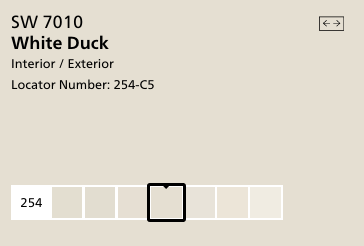
white duck paint

Worrying over White Duck included painting another swatch (right side of cabinet) to prove I wasn't crazy

Worrying over White Duck included painting another swatch (right side of cabinet) to prove I wasn’t crazy

After much research on the interwebs, and talking to friends who have undergone cabinet makeovers themselves, we settled on a process. We decided to split the kitchen into manageable sections and complete each section at a time. Living with 2 cats and a dog, this allowed us to keep our sanity- we would only have to cordon off one part of the room, and for the most part our pots and pans would be protected from roving noses and paws, by being shifted to other parts of the kitchen.

Shifting around kitchen contents

Shifting around kitchen contents

After that, the process was fairly straightforward. For each section, we

  1. Washed the surfaces to get rid of grime and dust (we just used dish soap and warm water)
  2. Sanded with a rough grit paper (and wiped down)
  3. Taped off the area
  4. Primed
  5. Sanded with a fine grit paper (and wiped down)
  6. Painted (x 4 coats, always at least 4 hours between each coat, inspecting for any bumps in between and always sanding lightly before/after the last coat)
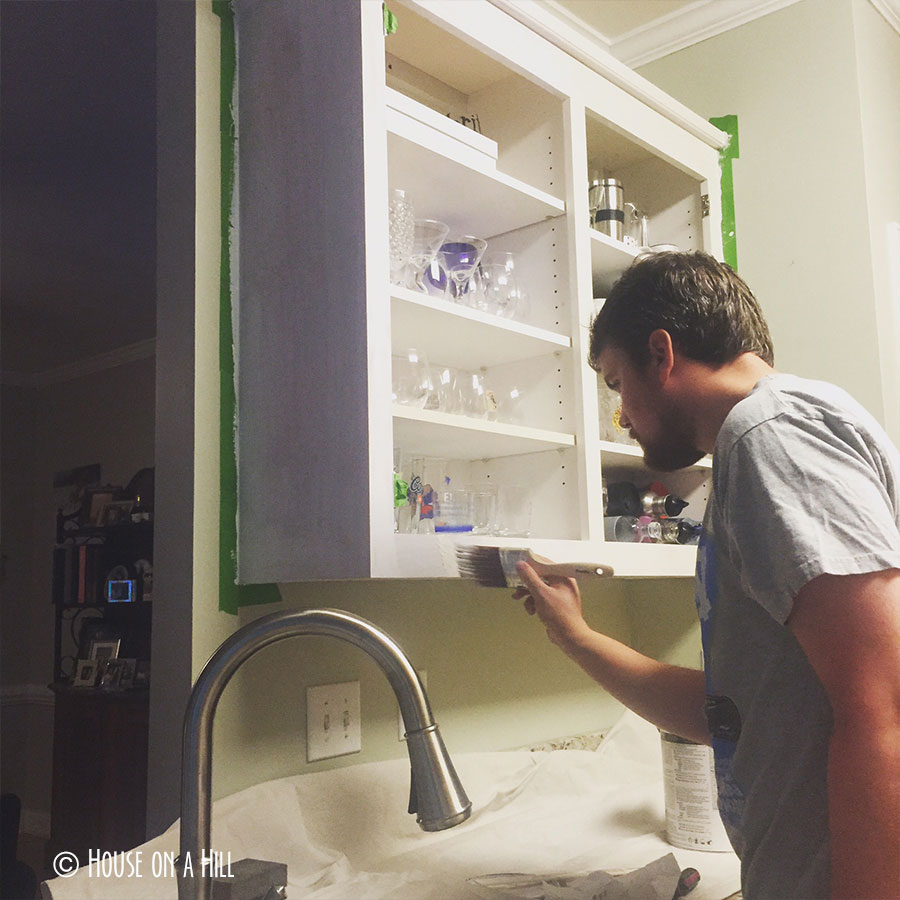
Master of the brush

Master of the brush (my weapon of choice – the roller. Also the tack cloth)

The preparation for each section (washing through priming) is the most time intensive piece, whereas actually painting, even given the husband and I’s obsessive carefulness (heaven forbid any drips or hairs get in the paint!) went by fairly quickly. For the doors, we were careful to label the hardware and keep everything organized, since we were warned that matching hardware to its original door can be a bear. Then it was a matter of painting the back of the door, followed by the cabinet frame, and then if the doors were dry enough, flipping them and doing their fronts.

Our cabinets were not in the best shape, but definitely showing wear and tear

Our cabinets were not in the best shape, and definitely showing wear and tear

The tools of the trade that we employed included:

  • 2 Tack cloths
  • Lots of sanding blocks in rough and fine grit
  • Goodness knows how many paper towels for wiping down dust
  • Medium quality angled brush for priming
  • Roller for priming
  • High quality non-shedding angled brush for painting
  • High density foam roller (6″) for painting
  • Drop cloth (safety note: this thing is slippy as shit on a hardwood floor, and if you walk over it without thinking, you may bust your a$$)
  • Paint & Primer

All in all I would guess these materials cost us $150, well worth it considering that the quote we received for having the job done professionally, it would have cost more than our granite countertops! If I were to give any piece of advise for someone looking to do this themselves, it would be this- do not scrimp by with cheap brushes. They will shed, they will leave brush strokes, and you will go crazy picking out or trying to sand off hairs afterwards. Even though I invested in high quality brushes, hairs occasionally happened, and noticing any kind of fiber embedded in a dry coat of paint will drive you to insanity.

cabinetdetail

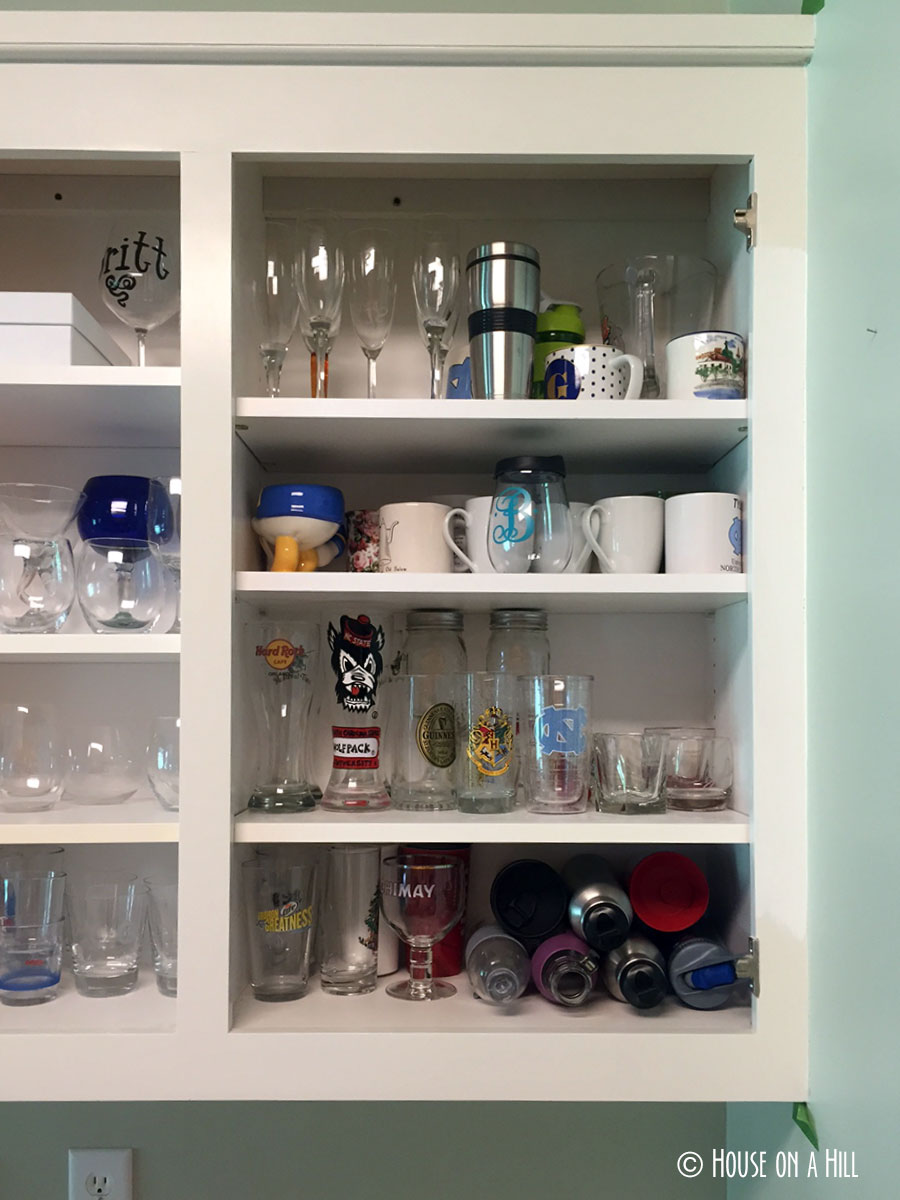
After finishing, we laid liner inside the cabinet interiors that needed painting (mostly where the pots/pans go, where large stains were present) to protect the surface and I took the opportunity to reorganize the contents of drawers and cabinets. Overall, I am thrilled with the results. The kitchen feels so much brighter and clean, but the white is soft enough so as to blend with the rest of our neutral palette. We saved ourselves thousands of dollars, and though it was a ton of work, the house feels so refreshed as a result- totally worth it!

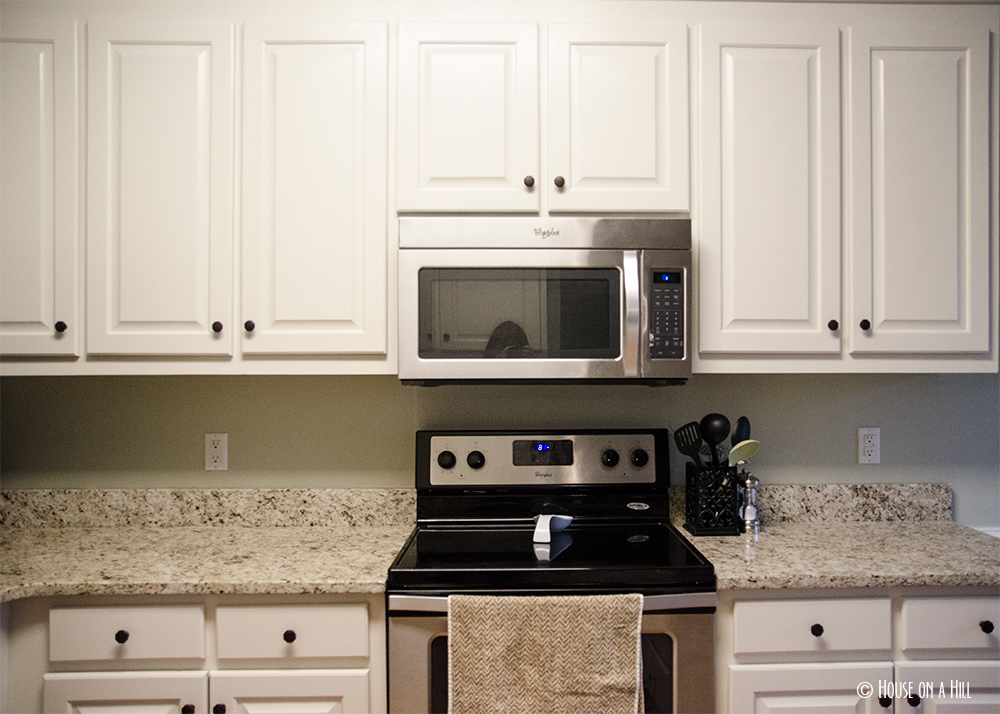
kitchen_beforeafter

cabinet_fronts

kitchen


Increasing the workload: Post OsPhos Injection

Last week Foster had his OsPhos injection, which is a newish alternative to Tildren. The drug has the same effect as medicine given to treat Osteoporosis in humans, and therefore should help with Foster’s bone remodeling issues.

Foster snuggles and very unflattering angles

Foster snuggles and very unflattering angles

Because the drug can cause some stomach cramping and colic-like symptoms (and sometimes colic itself), we sedated Foster prior to giving him the injection so in theory, he wouldn’t be as upset by any cramping or icky feelings. Then the injection itself was a simple intramuscular in the neck, which both Foster and I were pleased about, given that he’s gotten unsurprisingly wary of the vet handling his heavily-poked fetlock. This also means that the OsPhos will benefit any and all areas of the body and not just the fetlock joint for the year to 18 months that it remains active.

I sat and watched Foster for an hour, monitoring him for any signs of discomfort or colic, but he seemed pretty normal besides the glazed look in his eye. His neck got a little swollen at the injection site for a couple days after (if you saw how much fluid went into it you wouldn’t be surprised!) but he wasn’t tender to the touch, and it soon went down. He got several days off to recover while I stuffed myself on turkey and brussel sprouts.

Brussel Sprouts and Family- that's what Thanksgiving is about

Brussel Sprouts and Family- that’s what Thanksgiving is about

After reviewing his progress, the vet also gave me the thumbs up to start increasing the workload. We could jump to a whole minute of trotting at a time, and in two weeks start introducing canter. We’ll gradually increase the amount of time trotting and cantering (canter starting at 20-30 seconds).

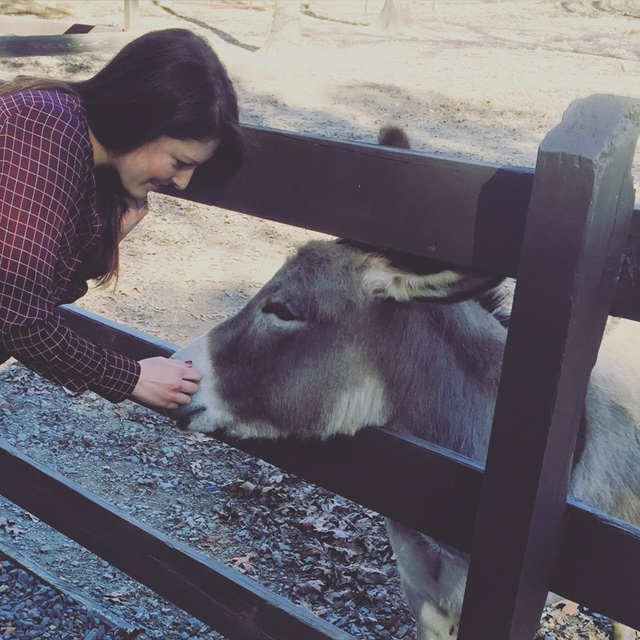
Saying hello to Hudson, my family's mini donk

Saying hello to Hudson, my family’s mini donk

Overall he’s continued to be the best of boys, and he’s definitely regaining his balance and some strength, but 20 seconds of trotting kind of limits what we could do- just think- we’ll be much more productive now with an extra 40 seconds!

Let’s Discuss: Thankful

It’s time for this year’s Thanksgiving post, where we all try to take a moment to pause and count our blessings.fb_DSC8362

2015 has been a tough year at the barn. Foster was diagnosed with Grade 4 ulcers in the early spring, which started us on the 10-week-ulcergard-and-alfalfa-lined path to recovery before we could really get to work. Then of course we started having odd lameness issues at the end of June, which led us down the rabbit hole of hell as far as diagnostics and eventually culminated in 2 special hind shoes and 1 bone chip removal surgery. But even though this year and any goals for it was a wash, there are some silver linings. I’ve discovered a great vet who doggedly helped me get to the bottom of Foster’s problems. My horse made it through surgery and hopefully will now have many years ahead of him in his career. I’m truly thankful that Foster has not only come around to his normal goofy, cheeky self, but that he also has been an absolute saint throughout the recovery process. And considering I used up every single penny of my reimbursement money, I’m hella glad for equine insurance.

DSCF2050 copy

In the same line of thinking, I’m especially grateful for the horse community, and for those who have been supportive through Foster’s rough times. Thanks to all of you readers for your sweet comments and positive thoughts, and for providing me with an outlet for discussion and documentation of our journey. I’ve said it before and I’ll say it again- y’all are awesome.

Fair Hill

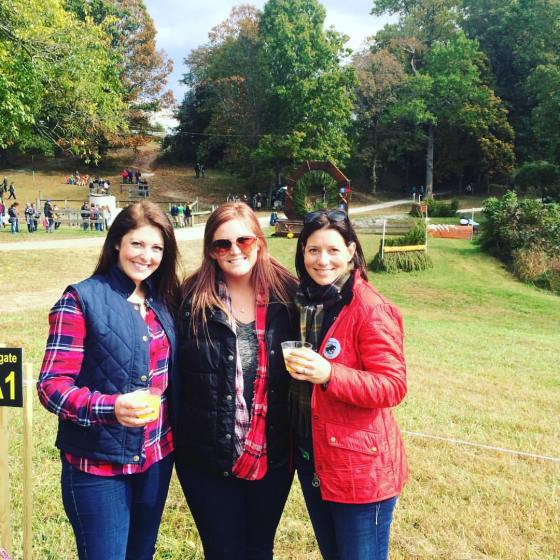
Thanks to the friends who have been there this year, and for the adventures we’ve had. Whether you gave me a place to stay, or shared Disney wine nights, or ran around Fair Hill stalking upper level eventing barns- these are the memories that will make 2015 worthwhile.

IMG_1204

And lastly, I’m thankful for my family. Thanks to Tyler for being totally engaged and not only supporting me through this year’s craziness, but even defending my passion to those who think horsemanship a trivial thing. Bonus points for being patient and tackling all those house projects this year- the end is in sight! Thanks to my furbabies for keeping me sane, and praise be to God for the health of my loved ones- it’s been rocky at times but we’re trying.
What are you all thankful for this year?


Wasted Weekend

I had every hope of doing exciting horsey things this weekend (as exciting as they could be given our restraint at walk and trot), namely pulling mane so my spotted creature looks less half-wild-cow-pony and more slightly-fuzzy-out-of-shape-warmblood. Or so was the plan.

Instead I got knocked out Friday night with a stomach affliction that made me really grateful I had scrubbed the toilets the week before, since I got many a closeup view of that particular porcelain throne. I was therefore barely able to tolerate being vertical for the next 36 hours, much less bouncing around in the saddle. Oh well, good intentions, and all that.

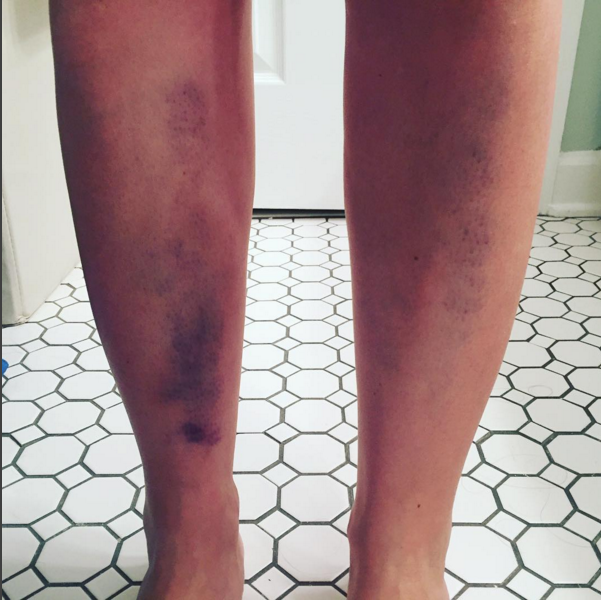
Since we’re (I’m) talking about my battered body, I thought I’d share how I came to receive the battle scars posted on instagram a couple weeks ago (picture below for those who didn’t see it).

Screen Shot 2015-11-23 at 10.28.34 AM

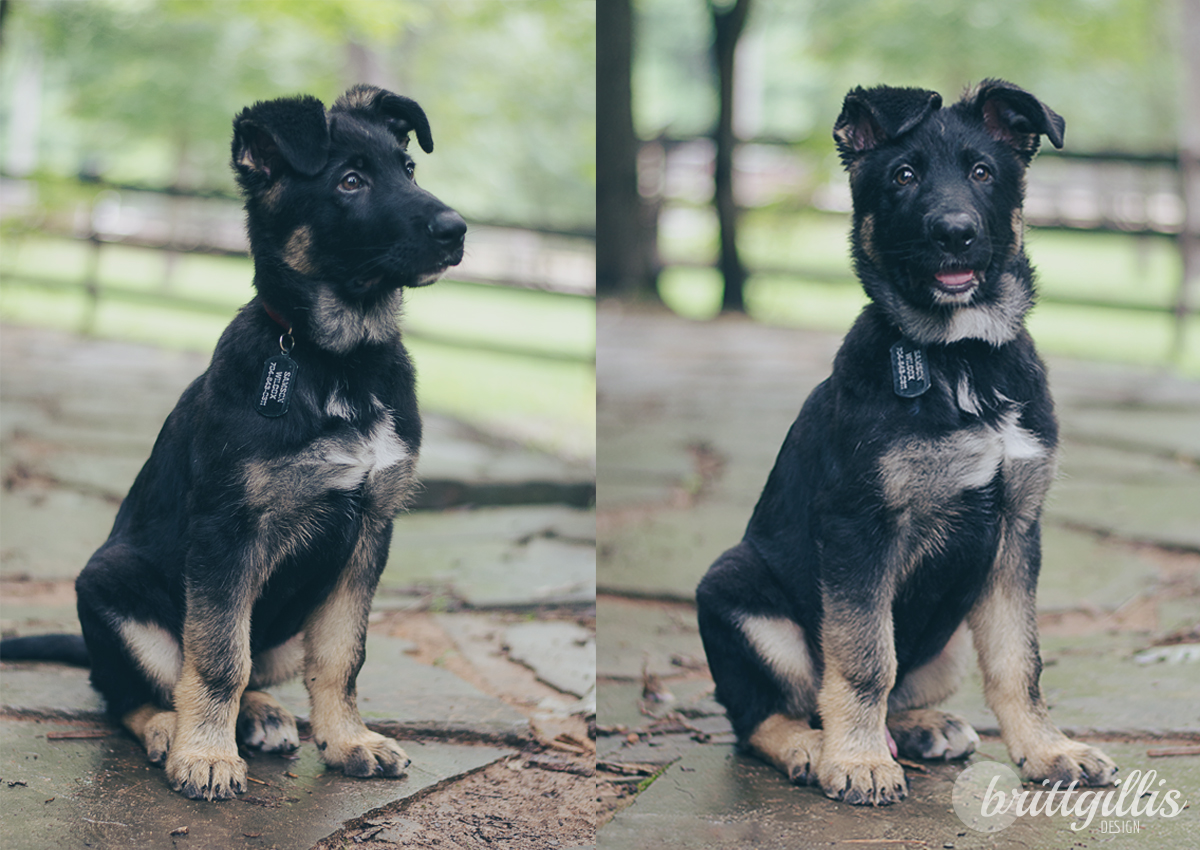
A couple weekends ago the husband and I went to visit my parents, who traditionally keep a large number of dogs, these including a Yorkie and a German Shepherd that get to live inside. You might recognize Sampson from last year, when we did a fun puppy-shoot at the farm.

Sampson

Sampson

Sampson looks a bit different now, weighing in over 90 lbs and (in my personal opinion) wreaking havoc throughout the house. Even before this incident, he generally did not win my sympathies nearly as much as Roo, the sweet indoor cat.

So when Sampson went to chase the cat down the stairs, I grabbed his collar instinctively, naively assuming he’d stop.

I think we all know where this is going.

I was dragged halfway down the wooden stairs before the lug realized he had a human attached to him and I bumped to a stop. It all happened so fast, I don’t think I fully realized what happened, I only knew that I hurt. My shins, knees, thighs, and shoulder were all pretty banged up, but luckily nothing was broken, and bonus, the cat got away. You’re welcome, Roo.

I wonder if I wasn’t a rider if I would have let go- looking back I acted the same way I would have had I fallen off a horse. You know, when you pop off but every instinct screams “Keep hold of the reins!”, even if it means you get dragged and eat a little dirt as a result. In any case, I know because I’m a rider that my body is not new to all sorts of bruises, and even though these ones are still sticking with me two weeks later, I know eventually they’ll fade. I hope.

Still, next time, the cat can defend herself.


Let’s Discuss: Fellow Rider Feedback

Riding can be a deeply personal venture, and most of us make calculated decisions about who we train with and receive instruction from. Not only does training cost money, but there are many other factors that go into why we chose who critiques us formally. But what about your average non-lesson ride?

Next time someone yell at me to put my hands down!
Next time someone yell at me to put my hands down!

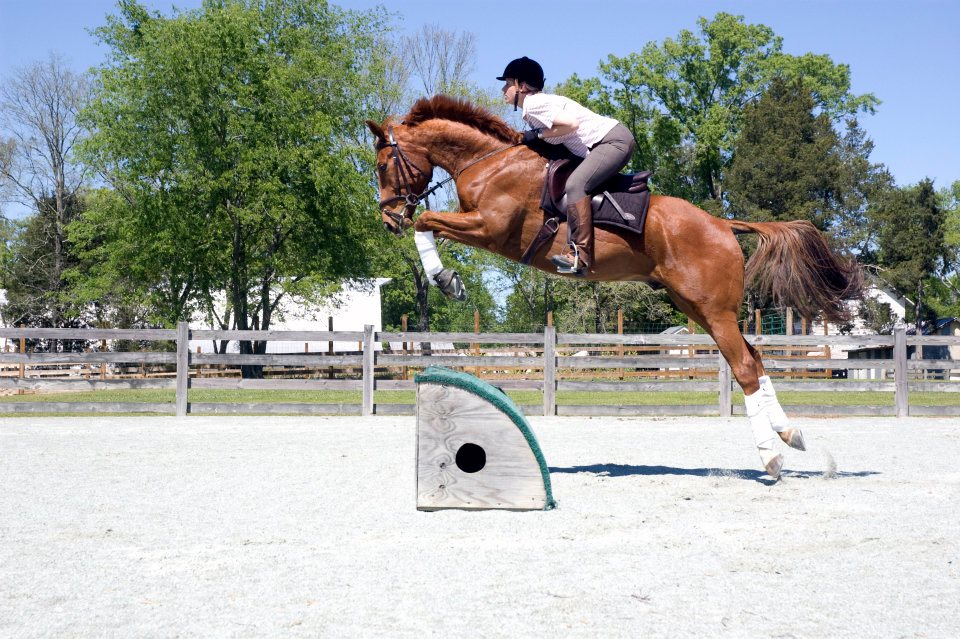
I tend to ride after work, and after spending so much time at the barn, I have definitely come to befriend certain riders who also ride at the same time as I do, and I respect what they do with their horses. So for me, it becomes a no brainer to invite them to call me out on certain issues. For instance, if you see my elbows leave my sides, yell at me- please! If I’m approaching the fence with not enough energy, holler out! Very rarely does it hurt my feelings, and having an extra set of eyeballs if someone happens to notice something is a valuable training tool to me.

549202_10100615616341829_350101835_n

It helps to have someone tell you to strap on a pair and jump the damn thing sometimes, too!

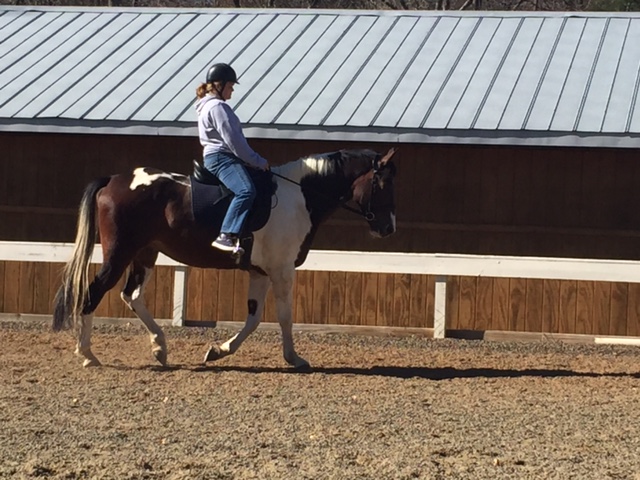
Conversely, I also try to give feedback if I see a glaring issue someone is working through. For the most part I remember to ask if they even want my two cents, but after being in the habit of having a few friends where back-and-forth feedback is the norm, I admit that sometimes I forget. For the most part though, these fellow amateurs appreciate the opportunity to tweak an issue that maybe they didn’t catch.

Impromtu feedback is awesome, even if your friend is in jeans and sneakers

Impromtu feedback is awesome, even if your friend is in jeans and sneakers

It definitely requires a mutual respect and an empathetic perspective in order to have this kind of relationship with other amateurs, but for me, it’s a big part of building the horse community. I could understand, though, if either personal relationships, skill levels, or  horsemanship were not optimal how this kind of rider-to-rider feedback would be unwelcome at best.

So I ask you all- do you provide or receive feedback from other riders? How has feedback of this type helped (or harmed) your riding? How do you approach starting this practice with new people?

Product Review: Evendura Ice Horse Boot

Part of Foster’s rehab program includes icing. We started icing with the first handwalking sessions, and I continue to ice as much as possible after every ride. The theory behind icing is thus (and I hope I have this right): bone is constantly remodeling, degenerating and regenerating in tandem ideally at the same pace. In Foster, the degeneration happens a bit faster than the regeneration, which can make the joint weak and lends to the arthritis in his fetlock. The process is accelerated by concussion on the joint, such as exercise, but icing can slow the degeneration and therefore a helpful part of recovery.

Before starting to ice, my vet suggested I look into ice boots that specifically covered the fetlock joint. So I purchased the Ice Horse Evendura boots, which reach from knee to fetlock, of course also icing all the tendons/ligaments in between.

My first impression is that this thing seems durable and well-made. And for the $150 price, I wouldn’t expect any less. I wondered if the velcro and elastic straps would deteriorate with age, but after 2 months of using it, I have yet to notice any obvious stretching or lack of “stick”.

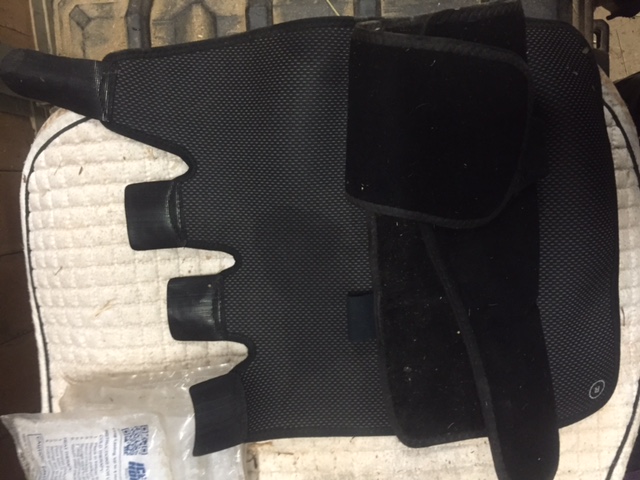
Showing the inner and outer sections, sans ice packs

Showing the inner and outer sections, sans ice packs

The boots are handily labeled “L” and “R” and are composed of an inner section that the ice packs velcro to, and an outer section with straps for attaching to the leg. I must confess, when I first pulled this thing out of the box it wasn’t entirely obvious how it went on, but perhaps I was having a dumb moment. The boot came with 4 ice packs to each leg, and you could then configure them however you want inside each boot.

My configuration

My configuration (and after learning how to store them properly)

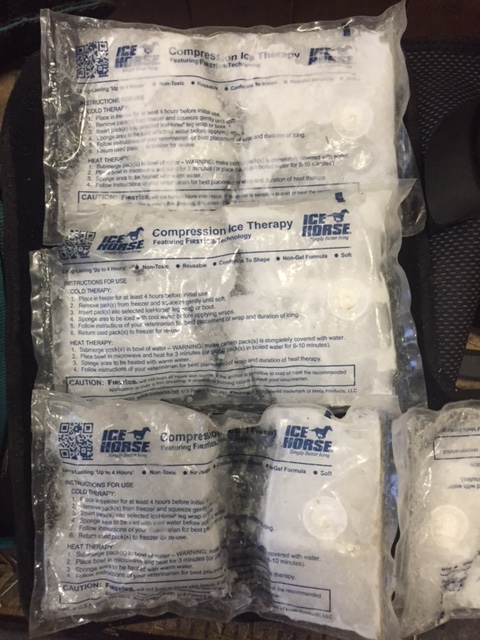
The ice packs are where my complaints are, mostly. They are advertised as being a formula that stays soft and pliable like snow, even after being in the freezer for some time. While this was true of the first two uses, thereafter they acted like any other ice pack- that is, like a damn rock when you pull it out of the freezer. After talking with an Ice Horse rep, she recommended leaving the ice packs out for roughly 2o minutes before putting them on (and allowing the valve in each pack to stay uncovered in the freezer- apparently that helps the special sauce in them). This works well for us at the moment, since my rides are about that long, so I pull the ice packs out just before I get on and then they are nice and pliable when I strap them on. However, I wonder how well they will work once we are back to 30 and 40 or more minute rides.

The ice packs after the first few uses and before I learned how to store them in the freezer

The ice packs after the first few uses and before I learned how to store them in the freezer

The other secret to the boot is in the directions- sponging. The first couple times I ignored the directions and put the boot on a dry leg, and after 30 minutes the leg was only fractionally cold. So after returning to the directions, I realized the error of my ways and applied the boot to a wet leg, and voila! After about 15-20 minutes I have a nice cold leg.

Foster relaxing in his stall wearing his Ice Boot

Foster relaxing in his stall wearing his Ice Boot

Overall, I would recommend these boots to someone in a position like myself, where icing is going to be a common part of your riding regimen. They are quick to put together, and if you follow directions, do efficiently apply cold therapy in a convenient manner- Foster wears his in his stall for about 20 minutes after each ride and when strapped on tight, it doesn’t seem to slip or move.

However, if you’re really only going to be icing occasionally, like at an event or for the rare ding, for the price you could apply cold therapy another way and probably be just as effective for a lot less money, if a little less convenient.

Photography Friday: Tricks and Tips

Documenting Fair Hill | PC: JP

Documenting Fair Hill | PC: JP

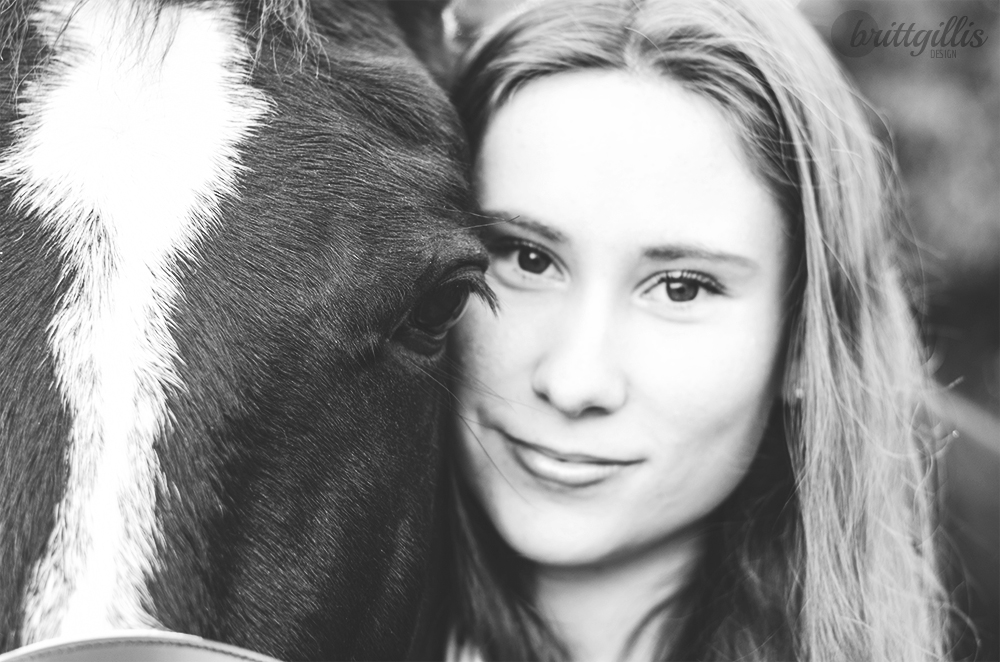
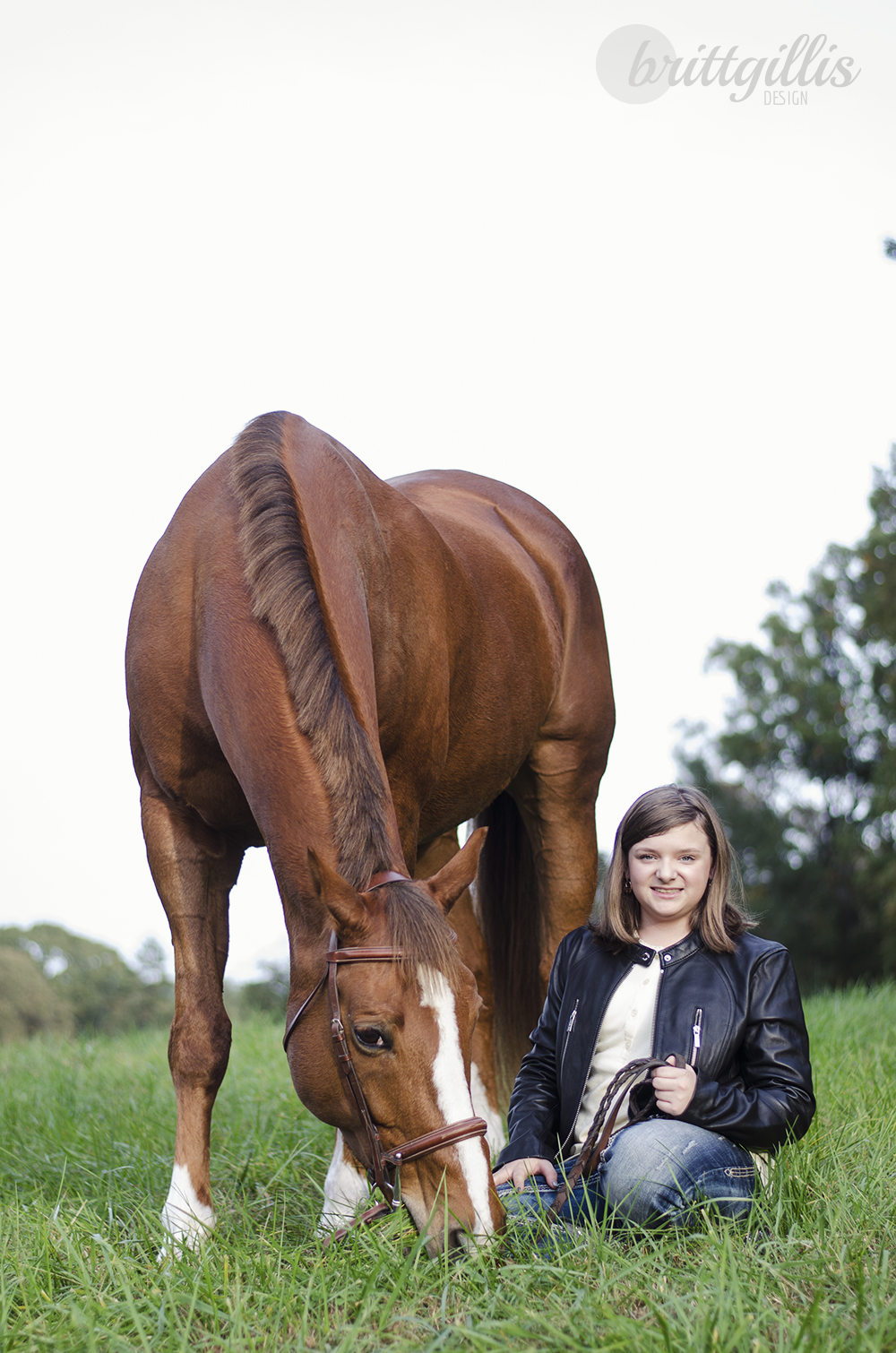
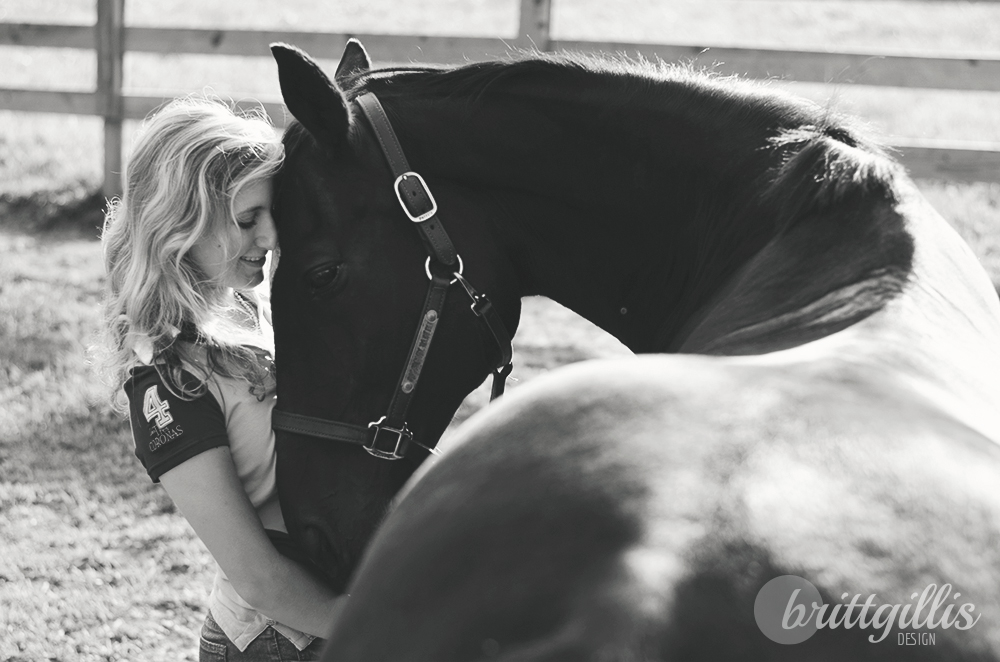
I’ve been doing portraiture for some years now, shortly after falling in love with photography in college as part of my design degree. But even though I’ve done it for many years, I continue to learn a lot with each session. Here are some of the tips and tricks, for both horse and human, that I use in my shoots.

Start with a clean slate
It probably goes without saying, but a clean horse is going to present itself better than a dirty one. Take an extra moment to brush that mane and tail, and remember to wipe down the eyes. The eyes are the window to the soul, and drawing attention in images as they do, it helps if there’s no eye funk present.

web_Ashley_200

Know your limits
Though I’ve never photographed small children, I kind of imagine that photographing horses (or dogs, or insert animal here) is somewhat like that. There is a window of time when they will play the game, standing, walking, being loved on, before they just don’t want to play anymore. In order to extend that time, I try to take little breaks when I sense that the animal’s patience is running out. Take those moments to focus on the person, or the environment, or go for a cute grazing shot, but try to be understanding of your subjects- equine and otherwise!

web_Austin_359

Make a Plan
Before every shoot I come up with poses and ideas based on the subject I’m going to shoot. I then jot those ideas down on a piece of paper, stick-figure style, including any requests the client may have. That paper then comes in handy if ever I need inspiration onsite, and helps as a reminder for photos I specifically wanted to take. Similarly, I arrive to each location about 15-20 minutes early and figure out exactly what path we will take through the property. This can really make a big difference- for instance, if it’s overcast and you are shooting as the sun goes down (the “Golden Hours”), you should probably plan to visit the shadiest spot at the venue first, when you have the most light. Of course it’s always important to remain flexible, but having a well thought out plan helps make the most of everyone’s time!

Running out of light can of course lead to its own opportunities, but is maybe not ideal for portraits!

Running out of light can of course lead to its own opportunities, but is maybe not ideal for portraits!

Be Patient
When one of your main subjects (the horse) has no concept of what you are after (i.e, the look of eagles/ears up/eyes open/no slobber/etc), it’s not their fault if they are not the perfect model. Staying calm and waiting for the right moment, and not rushing or forcing it to happen, is key. Save your ear-pricking antics (waving a plastic bag on a whip, rustling peppermint wrappers…) for when both models are in position and ready. If you keep up these tricks throughout the session, not only will they lose their novelty (and therefore decrease the likelihood of getting those ears forward), but you’ll also put a strain on everyone involved. Better to wait, and capture that perfect, and more natural, pose!

web_composite_AmandaAndDavid_471

Have fun!
This probably goes without saying, but it’s no less important! No matter which side of the camera you’re on, remember that this is all about capturing good times. Find your sense of adventure and keep things lighthearted- not only will the animals sense your mood, but it will help everyone enjoy the experience even more! Besides, photography is fun!

fb_DSC6109

Have a wonderful weekend everyone!

Trotting!

This being the latest in ho-hum updates that still get me pretty excited, because, hey, it’s rehab… we trotted last night!

Haunches in animated gif

No lateral work yet, but still!

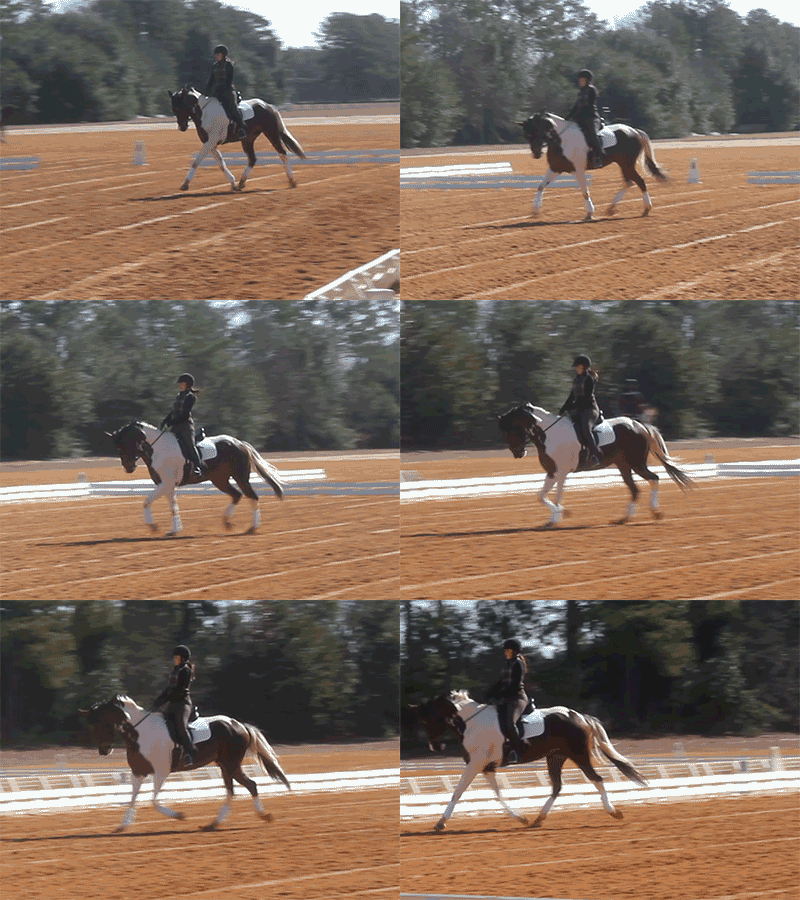
I still wanted to limit our ride to 20 minutes, but added in roughly 15-20 seconds of trot at the 10, 15, and 20 minute mark. I say roughly because it’s really hard to time yourself for that long (er, short) or count in your head when pretty much the only thing running through my brain is “Squeeeeeeeeee trotttting!!!!“. We’ll pretend like Foster was thinking the same thing, though in all seriousness I do think he enjoyed doing something a little different!

trotlengthening

Foster has been an absolute star the last week, and adding trot to the mix was no different. While the first attempt was unbalanced and wonky feeling, attempts 2 and 3 were lovely, regular, and homeboy stretched down into the contact like he hadn’t missed a beat. The pony got a lot of praise and pats and I don’t think you could wipe the smile off my face.

doug-lesson-trot

In other developments, his outdoor “space” has finally been enlarged. Since being turned out a month ago, his “paddock” has been only slightly larger than his stall. Thanks to the constant rain and some technical difficulties, it stayed that way until yesterday, and I’m told that homeboy was well behaved and did not abuse his new digs in any way.

All in all, this has been a great week for us. We definitely have a lot to be thankful for!

Photography Friday: Amanda, David, Govey & Biscuit

web_AmandaAndDavid_404

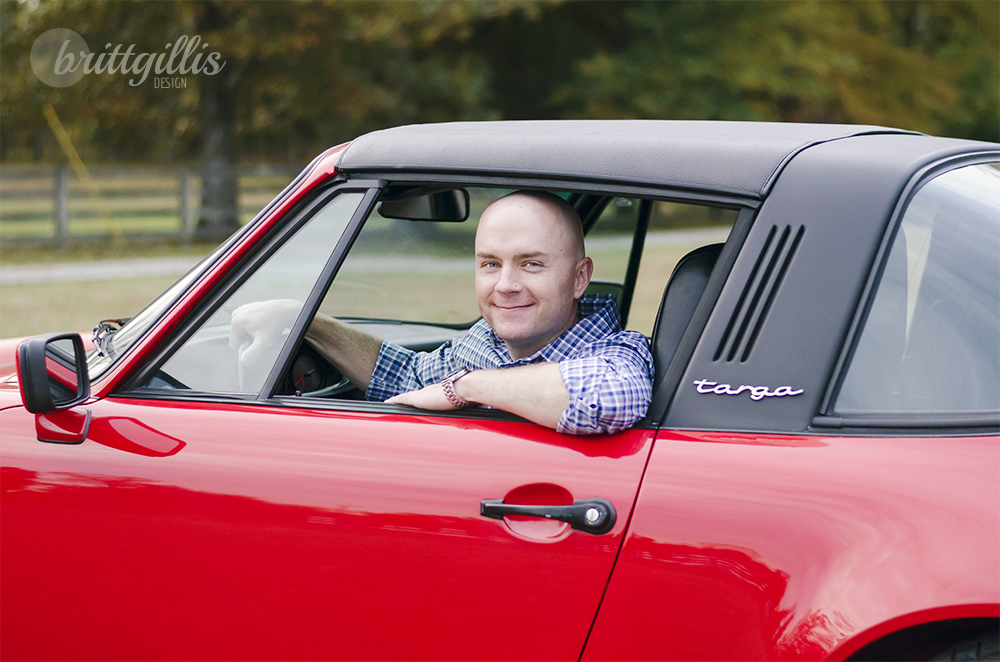
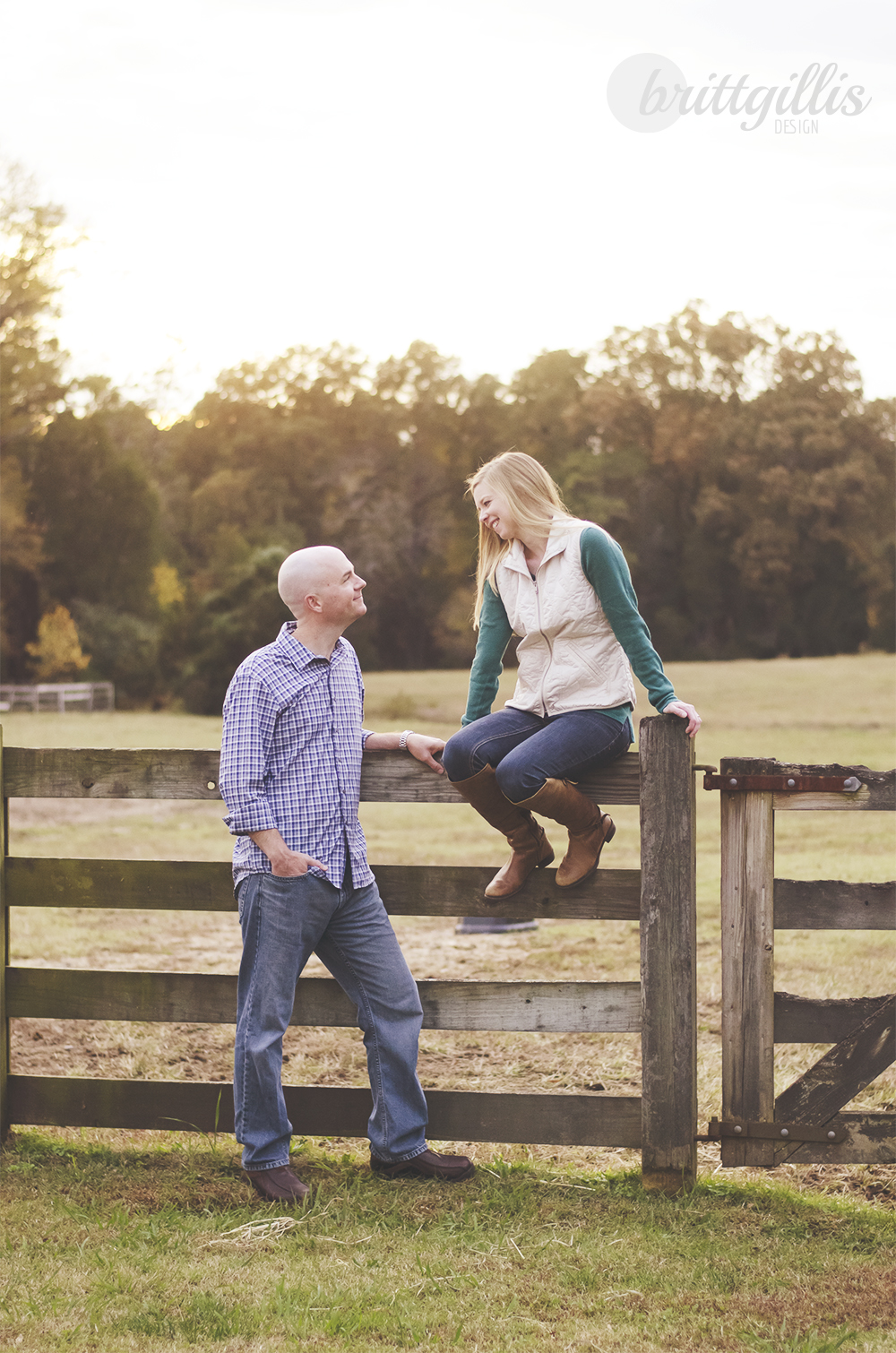
Amanda is a fellow eventer who wanted some family portraits, and boy am I glad she asked! Joining us in the session was her sweet husband, David, Govenor the NZ Thoroughbred, and Biscuit the pup. Oh and let’s not forget the 1987 Porsche! This was definitely a memorable shoot for me, and I loved including everyone in some equestrian-style family photos!

web_AmandaAndDavid_430

web_AmandaAndDavid_455

web_AmandaAndDavid_475

web_AmandaAndDavid_484

web_AmandaAndDavid_506

web_AmandaAndDavid_553

web_AmandaAndDavid_566

web_AmandaAndDavid_674

web_composite_AmandaAndDavid_471

A boy with his toy!

A boy with his toy!

web_AmandaAndDavid_651

Happy weekend everyone!

Vanity VS Practicality

Foster in a trace clip

Foster in a trace clip

For the last 10 or more years that I have been competitively involved in horses, I have always looked forward to that time of year when I get to take my clippers to a fuzzy body and reveal the svelte creature underneath. Though the process involves itching and picking tiny hairs off of clothing for the next few days, something about watching the hair come off is like an OCD artistic outlet to me. The changing colors of the horse as the process goes on never gets old, and trust me, it’s the one thing that I think is more fun with a paint horse. Does anyone else feel this kind of sick fascination with clipping?

Barely there Irish Clip

Barely there Irish Clip

But this year, it’s hard to justify shaving the creature, given the low workload he’ll have. He’s not a huge sweater anyways, so I definitely don’t anticipate our 5 minutes of eventual trot to make for uncomfortable nights. My main aggravation with the winter coat, besides its poofiness (made-up word for the win?), is that my horse is a pig, and long hair makes for even more frustrating grooming sessions. Currying clods of mud from a half inch coat sounds a hell of a lot easier than picking strands of mud and muck from hairs twice that long.

Mare lost her patience before I could get to udder and eyes that year

Full body clip until the mare lost her patience before I could get to udder and eyes

For now, practicality and wanting to be kind to my horse will stop me from revving up the clippers. But come January, when the mud and nastiness will be at its worse, I don’t know that I’ll be able to say the same.

What are your plans for clipping? Anybody doing an especially artistic clip this year?